Orzo and Shrimp Dish Recipes : There is something almost magical about the way orzo cooks. It looks like rice, behaves like pasta, and absorbs flavor the way a good sponge takes on water. Pair it with plump, garlicky shrimp and you have a meal that feels restaurant-worthy but comes together in about 30 minutes on a single pan. This orzo and shrimp dish is the recipe I reach for on weeknights when I want something that genuinely impresses without destroying my kitchen.
I have made this orzo and shrimp recipe dozens of times, and every single time, someone at the table asks for the recipe. Whether you go the creamy route, the bright lemon version, or the Mediterranean-style with olives and feta, the base is the same — and it works every time.
Orzo and Shrimp Dish Recipes
| Detail | Info |
|---|---|
| Prep Time | 10 minutes |
| Cook Time | 20 minutes |
| Total Time | 30 minutes |
| Servings | 4 |
| Difficulty | Easy |
| Calories per Serving | ~420 kcal |
What Makes This Orzo and Shrimp Dish Unlike Anything Else
The first time I made an orzo and shrimp dinner, I was trying to use up a bag of orzo that had been sitting in my pantry for three weeks. I had some frozen shrimp, half a lemon, and a block of feta. What came out of that pan was so good that I made it again two days later — intentionally this time.
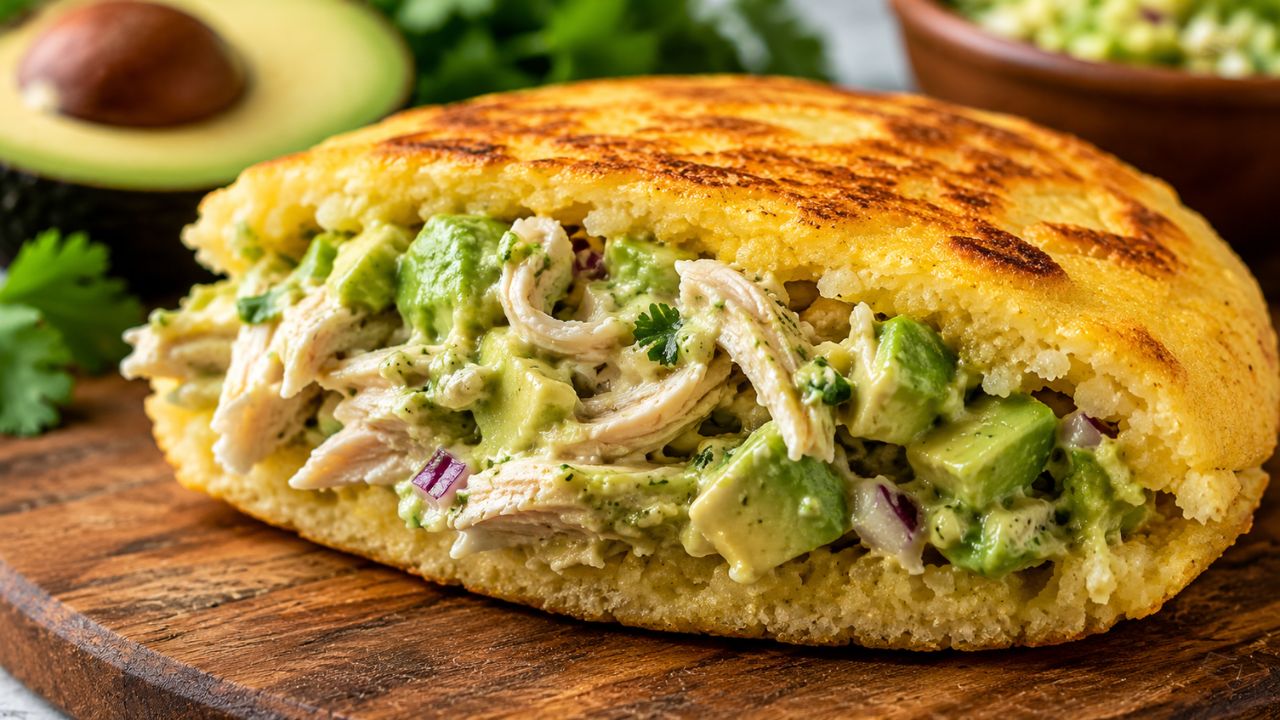
 Easy Venezuelan Recipes at Home: The Arepa Recipe You’ll Actually Make Again
 12 High Protein Snacks That Actually Keep You Full (No Bland Chicken Required)
 12 Healthy Lunch Ideas for Work That Actually Keep You Full and Energized All Day
 10+ Soul Food Dinner Ideas That Will Make Your Table Feel Like Home
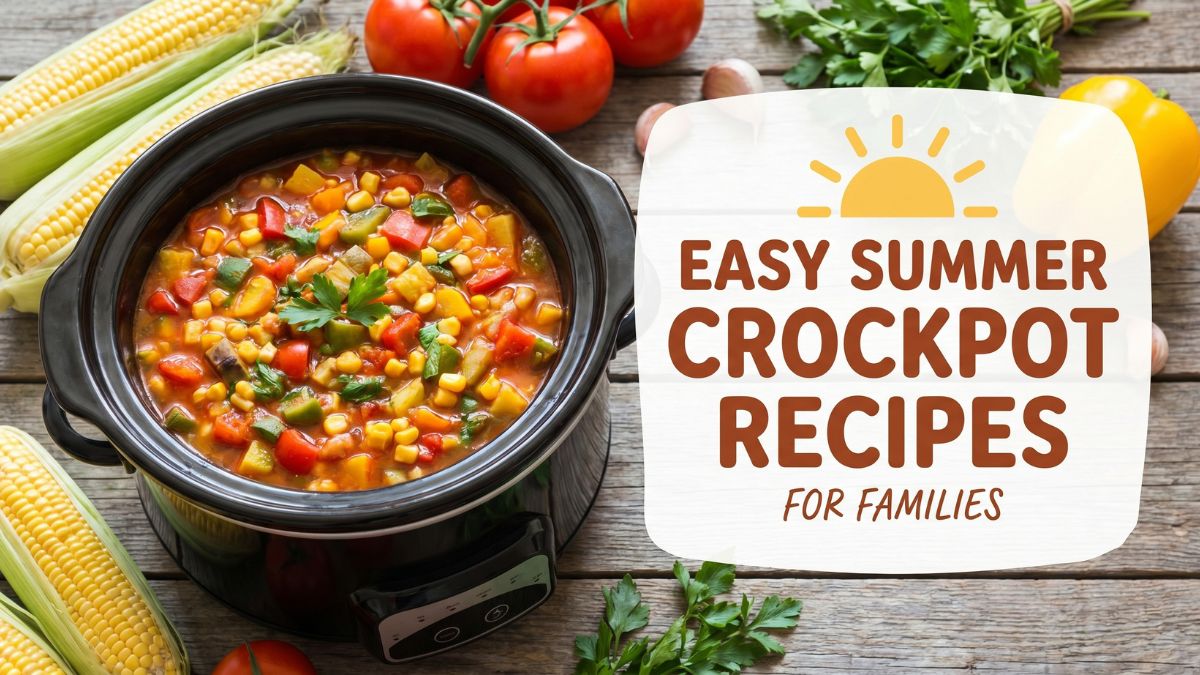
 Easy Summer Crockpot Recipes For Families
 Best Emergency Food Supply: What Actually Keeps Your Family Fed When It Matters Most
What separates this dish from a standard pasta with shrimp is the way orzo behaves. When you toast it briefly in olive oil before adding stock, it takes on a nutty depth that no regular pasta shape can match. It absorbs the cooking liquid like a risotto, giving the final dish that silky, cohesive texture where every grain is coated in flavor.
The shrimp here are not an afterthought. They go in at just the right moment — when the orzo has nearly finished cooking — so they stay tender and juicy instead of turning rubbery. Timing is everything with shrimp, and this recipe nails it.
This is also one of those flexible dishes that works for a Tuesday dinner and a Saturday dinner party. Dress it up with a drizzle of good olive oil and some fresh herbs, and it looks like you spent hours. You didn’t. That’s the secret.
Orzo and Shrimp Dish Ingredients You Will Need
Everything here is accessible. You can find all of it at any grocery store, and most of it might already be in your kitchen.
| Ingredient | Quantity | Notes / Substitutes |
|---|---|---|
| Orzo pasta | 1½ cups (300g) | Do not substitute with rice pasta — texture won’t be the same |
| Large shrimp, peeled and deveined | 1 lb (450g) | Prawns work perfectly; frozen shrimp thawed overnight in the fridge is fine |
| Olive oil | 3 tablespoons | Extra virgin preferred |
| Garlic, minced | 5 cloves | Fresh only — jarred garlic will muddy the flavor |
| Shallot or small onion, diced | 1 medium | Red onion works in a pinch |
| Cherry tomatoes, halved | 1 cup | Sun-dried tomatoes (drained) are a great swap |
| Chicken or seafood stock | 3 cups | Vegetable stock works; avoid plain water — you’ll lose depth |
| Dry white wine | ½ cup | Substitute with additional stock + 1 tsp white wine vinegar |
| Lemon, zested and juiced | 1 large | Lime can substitute for a different brightness |
| Fresh spinach | 2 cups (packed) | Arugula, kale (finely sliced), or frozen spinach (thawed, squeezed) |
| Feta cheese, crumbled | ½ cup | Parmesan, ricotta salata, or goat cheese all work |
| Fresh parsley or dill, chopped | ¼ cup | Basil or chives also pair beautifully |
| Red pepper flakes | ½ teaspoon | Adjust to heat preference |
| Salt and black pepper | To taste | — |
| Butter (optional) | 1 tablespoon | Adds richness at the finish |
A note on shrimp size: For this dish, large or extra-large shrimp (16/20 count or 21/25 count per pound) are ideal. Smaller shrimp overcook before the orzo finishes. Bigger shrimp stay meatier and hold up to the bold flavors in the pan.
Step-by-Step Instructions for This Easy Orzo and Shrimp Recipe
Getting the Shrimp Ready First
- Pat your shrimp dry with paper towels. This is one of those steps people skip, but it matters enormously. Wet shrimp steams instead of searing, and you lose that gorgeous golden edge that adds flavor.
- Season the shrimp generously with salt, black pepper, and half the red pepper flakes. Toss to coat.
- Heat 1 tablespoon of olive oil in a wide, deep skillet or sauté pan over medium-high heat. When the oil shimmers, add the shrimp in a single layer. Cook for 90 seconds per side, just until they turn pink and start to curl. Do not cook them through — they will finish in the pan later. Transfer to a plate and set aside.
Building the Orzo Base
- In the same pan, reduce the heat to medium and add the remaining 2 tablespoons of olive oil. Add the diced shallot and cook for 2 to 3 minutes until softened and just starting to turn golden at the edges.
- Add the minced garlic and red pepper flakes. Stir constantly for 60 seconds. The garlic should smell incredible but not brown. Burned garlic is bitter and will ruin the whole dish — I learned this the hard way on my very first attempt.
- Add the dry orzo to the pan. Stir it around in the oil and aromatics for about 2 minutes. You are toasting it slightly, which builds a nutty undertone. You will hear a faint crackle and see the edges turn just barely golden.
- Pour in the white wine (if using) and stir vigorously. Let it absorb almost completely, about 1 minute.
- Add the stock, one cup at a time, stirring after each addition. You are essentially cooking this like a loose risotto. The orzo will absorb the liquid gradually. Add the cherry tomatoes now and stir to combine.
- Bring everything to a gentle simmer. Cook uncovered for 10 to 12 minutes, stirring every 2 minutes, until the orzo is just barely al dente — there should still be a faint firmness at the center when you bite into a grain.
Finishing the Dish
- Reduce the heat to medium-low. Nestle the par-cooked shrimp back into the pan, pressing them gently into the orzo. Add the spinach on top and cover the pan for 2 minutes. The residual heat will wilt the spinach and finish cooking the shrimp through.
- Remove the lid. Stir gently to incorporate the wilted spinach. Add the lemon zest, lemon juice, and butter (if using). Stir once more.
- Taste for seasoning. Adjust salt, pepper, and lemon to your preference. Scatter the crumbled feta and fresh herbs over the top.
- Serve immediately, directly from the pan.
Pro Tips and Common Mistakes to Avoid
Tips That Actually Make a Difference
These are the things that took me from “pretty good” to “everyone wants the recipe”:
- Toast the orzo. Even 90 seconds in hot oil changes the flavor profile significantly. Do not skip this.
- Use warm stock. Cold stock added to a hot pan drops the temperature and can make the orzo cook unevenly. Warm your stock in the microwave before adding it.
- Don’t overcrowd the shrimp. If your pan is small, sear the shrimp in two batches. Overcrowding causes steaming, not searing.
- Rest easy on the lemon. Add half the lemon juice first, taste, then decide if you need the rest. Lemon is powerful and can overwhelm the dish if the shrimp are already acidic.
Mistakes Most People Make
Overcooking the shrimp. This is the number one error with any orzo and shrimp recipe. Shrimp cook in under 3 minutes total. They go in already partially cooked and finish in the residual heat of the orzo. If they curl into tight little C-shapes and turn fully opaque in the skillet, they are already overdone. Pull them earlier than you think you need to.
Adding too much liquid at once. If you dump all three cups of stock in at the beginning, the orzo will absorb unevenly and some grains will be mushy while others stay undercooked. The cup-by-cup method gives you control.
Using pre-minced garlic from a jar. Fresh garlic makes an enormous difference in a dish this simple. The flavor is brighter, more complex, and far more aromatic.
Easy Venezuelan Recipes at Home: The Arepa Recipe You’ll Actually Make Again
12 High Protein Snacks That Actually Keep You Full (No Bland Chicken Required)
12 Healthy Lunch Ideas for Work That Actually Keep You Full and Energized All Day
10+ Soul Food Dinner Ideas That Will Make Your Table Feel Like Home
Easy Summer Crockpot Recipes For Families
Best Emergency Food Supply: What Actually Keeps Your Family Fed When It Matters Most
Variations and Substitutions Worth Trying
One of the best things about this recipe is how naturally it adapts. Here are the versions I find myself making most often:
Creamy Orzo and Shrimp
Stir in ½ cup of heavy cream or full-fat coconut cream during the last 3 minutes of cooking. The orzo becomes impossibly silky and rich. A handful of grated Parmesan stirred in at the end deepens it further. This is the version I make when it is cold outside and comfort is the only goal.
Lemon Orzo and Shrimp
Double the lemon zest, add an extra squeeze of juice, and finish with a drizzle of good olive oil instead of butter. Use fresh dill instead of parsley. This version is bright, clean, and feels like summer on a plate — perfect for serving cold as an orzo and shrimp salad recipe the next day.
Greek Orzo and Shrimp
Add ¼ cup of kalamata olives (pitted, halved), a teaspoon of dried oregano, and use feta generously. Swap the spinach for chopped roasted red peppers. This is essentially the Greek orzo and shrimp recipe version, and it is deeply satisfying.
Mediterranean Orzo and Shrimp
Layer in artichoke hearts (canned, drained), a pinch of smoked paprika, and finish with a squeeze of preserved lemon if you have it. This is the dish I make when I want something that feels like it came from a taverna by the sea.
Orzo Asparagus and Shrimp
Add blanched asparagus tips in the final 2 minutes of cooking. The slight bitterness of asparagus balances the richness of the orzo beautifully and adds a seasonal freshness that makes this dish ideal for spring cooking.
Orzo Spinach and Shrimp — Lighter Option
Use all spinach, skip the feta, and finish with a tablespoon of nutritional yeast for a dairy-free version that still has savory depth. Serve with a wedge of lemon on the side.
Have you ever tried adding smoked paprika or a splash of ouzo to this dish? Drop your variation in the comments — I am genuinely curious what flavor directions you have taken it.
How to Store, Reheat, and Serve
Storing Leftovers
This orzo and shrimp dinner stores well for up to 3 days in an airtight container in the refrigerator. The orzo will continue to absorb liquid as it sits, so the leftovers will be thicker than when freshly made.
Freezing: You can freeze the orzo base without the shrimp for up to 2 months. Shrimp do not freeze well once cooked — they become rubbery. If you plan to freeze, cook the orzo base completely, portion it out, and add freshly cooked shrimp when you reheat.
Reheating Without Ruining the Shrimp
Add 2 to 3 tablespoons of stock or water to the portion before reheating. Warm it gently over medium-low heat, stirring occasionally, until heated through. Avoid high heat — it will overcook the shrimp quickly. A splash of lemon juice added after reheating brightens the flavors back up.
Serving Suggestions
This dish is substantial on its own, but a few simple additions round it out beautifully:
- A crusty loaf of bread to soak up the pan juices
- A simple green salad with a sharp vinaigrette to cut through the richness
- A glass of crisp white wine — an unoaked Chardonnay, Pinot Grigio, or dry Rosé all complement the lemon and shrimp
What is your go-to side dish for this kind of one-pan seafood pasta? I would love to hear what you pair it with in the comments.
Orzo and Shrimp Dish Recipes FAQ
Q : Does orzo go with shrimp?
Ans – Absolutely. Orzo is one of the best pasta shapes to pair with shrimp because its small size means it cooks quickly and distributes evenly through the dish. It absorbs the briny, garlicky cooking liquid beautifully, creating a cohesive dish where every bite has shrimp and pasta together. The textures complement each other perfectly — tender orzo against the meaty snap of shrimp.
Q : What sauce tastes good with orzo?
Ans – Orzo is incredibly versatile. It pairs well with light tomato sauces, lemon-butter sauces, creamy garlic sauces, and even pesto. For shrimp specifically, a lemon-white wine sauce or a light cream sauce with garlic works exceptionally well. The key is to use something that won’t overwhelm the delicate flavor of the shrimp.
Q : What is the best pasta to serve with shrimp?
Ans – Orzo, linguine, and spaghetti are the top three choices for shrimp dishes. Orzo works uniquely well in one-pan dishes because it absorbs cooking liquid. Linguine and spaghetti are better suited for sauced dishes where the pasta is cooked separately. For a risotto-style dish like this one, orzo pasta and shrimp is the ideal combination.
Q : What cheese is good with shrimp orzo?
Ans – Feta is the classic choice for a Mediterranean or Greek orzo and shrimp recipe — it adds salty, tangy creaminess without overpowering the shrimp. Parmesan works beautifully in a creamy or lemon-based version. Goat cheese is another great option, especially crumbled over the top just before serving. Avoid very strong-flavored aged cheeses, which can mask the shrimp’s natural sweetness.
Q : Is orzo healthier than rice or pasta?
Ans – Orzo is nutritionally similar to other refined pasta shapes — it offers comparable carbohydrates, protein, and a modest amount of fiber. It is not significantly healthier or less healthy than white rice or regular pasta. However, when cooked in a broth-based method as in this recipe, you can achieve a filling, satisfying dish without heavy cream or excessive oil. According to the USDA FoodData Central, a 2-oz dry serving of orzo provides around 200 calories, 7g of protein, and less than 2g of fat — making it a reasonable choice as part of a balanced meal.
Q : Is orzo a good or bad carb?
Ans – Orzo made from semolina wheat is a refined carbohydrate, which means it digests relatively quickly. Whole wheat orzo is available and provides more fiber, which slows digestion and supports sustained energy. For most people eating a varied diet, orzo in moderate portions is not a problem. The Academy of Nutrition and Dietetics notes that carbohydrates — including pasta — are an important energy source, and that overall dietary pattern matters far more than eliminating specific foods.
Orzo and Shrimp Dish Recipes Final Thoughts
An orzo and shrimp dish is one of those rare recipes that does everything right. It is fast, it uses pantry staples, it adapts to whatever you have in the fridge, and it tastes like you put in far more effort than you did. The lemon lifts it, the garlic deepens it, the feta finishes it, and the orzo ties everything together in that uniquely satisfying way that only this pasta shape can do.
Whether you go creamy, lemony, Greek-style, or Mediterranean, the method is the same. Master it once and you will have a dinner party weapon for life.
Try it this week — and when you do, come back and tell me which variation you made.
Recipe developed and tested in a home kitchen. Nutritional values are estimates and may vary based on specific ingredients used.