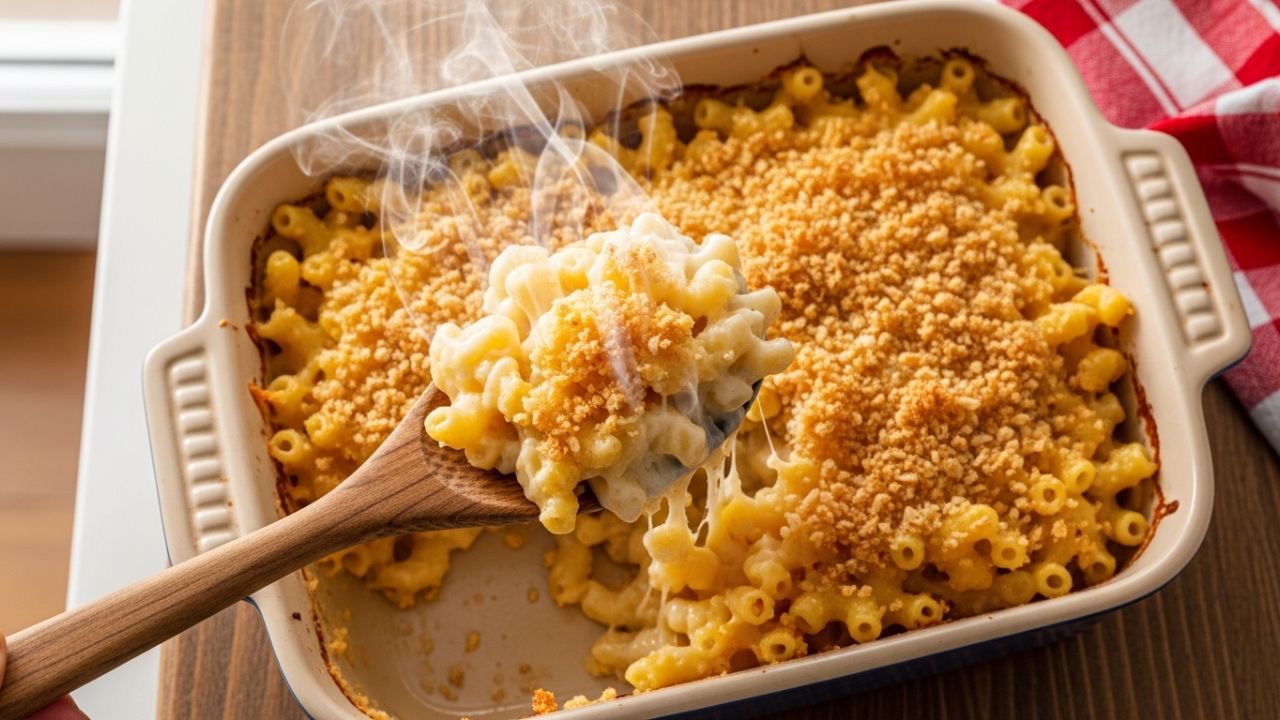
Baked Mac and Cheese Recipe : There is a moment — right when you lift the foil off the baking dish and a cloud of steam rises with that sharp, nutty, buttery smell — when you know tonight’s dinner is going to be remembered. This baked mac and cheese recipe has been that moment for me more times than I can count.
This is not a box dinner. This is not cafeteria food. This is the kind of creamy, golden-topped, pull-apart baked mac and cheese that makes people ask for the recipe before they have even finished their first serving.
Whether you are feeding a crowd on a Sunday, bringing a dish to a potluck, or just craving something deeply satisfying on a cold weeknight, this recipe delivers every single time.
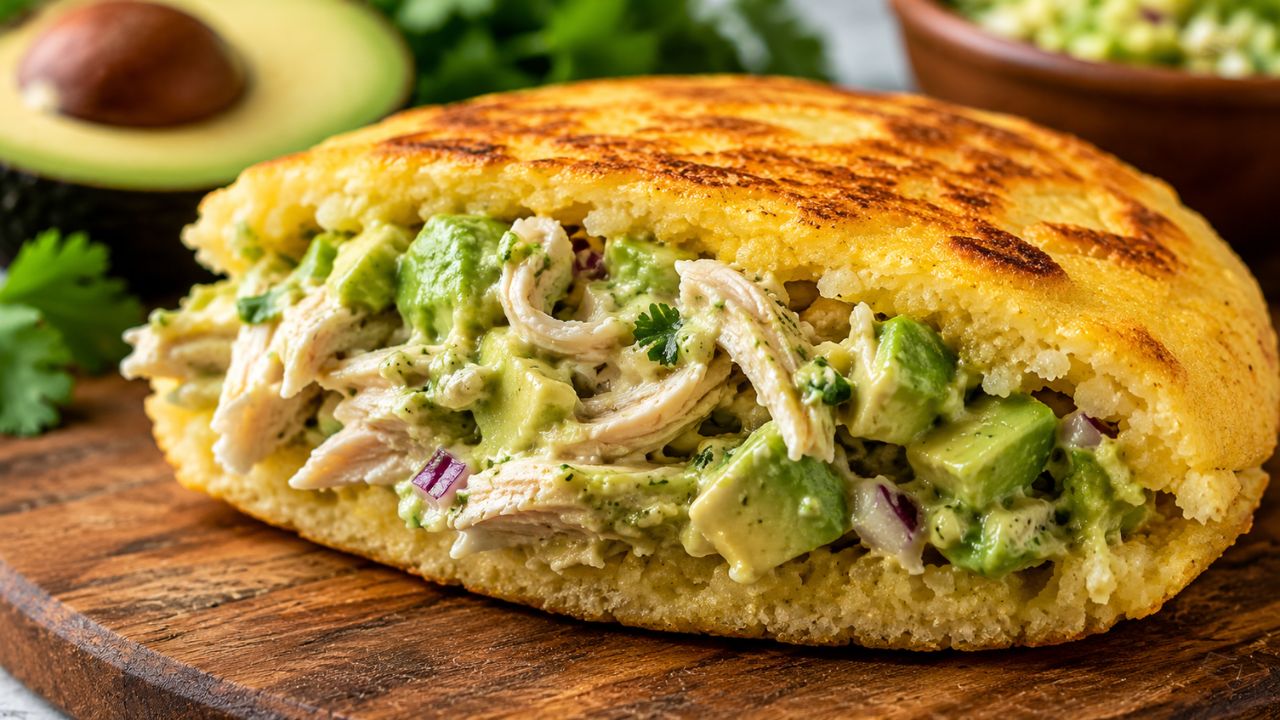
 Easy Venezuelan Recipes at Home: The Arepa Recipe You’ll Actually Make Again
 12 High Protein Snacks That Actually Keep You Full (No Bland Chicken Required)
 12 Healthy Lunch Ideas for Work That Actually Keep You Full and Energized All Day
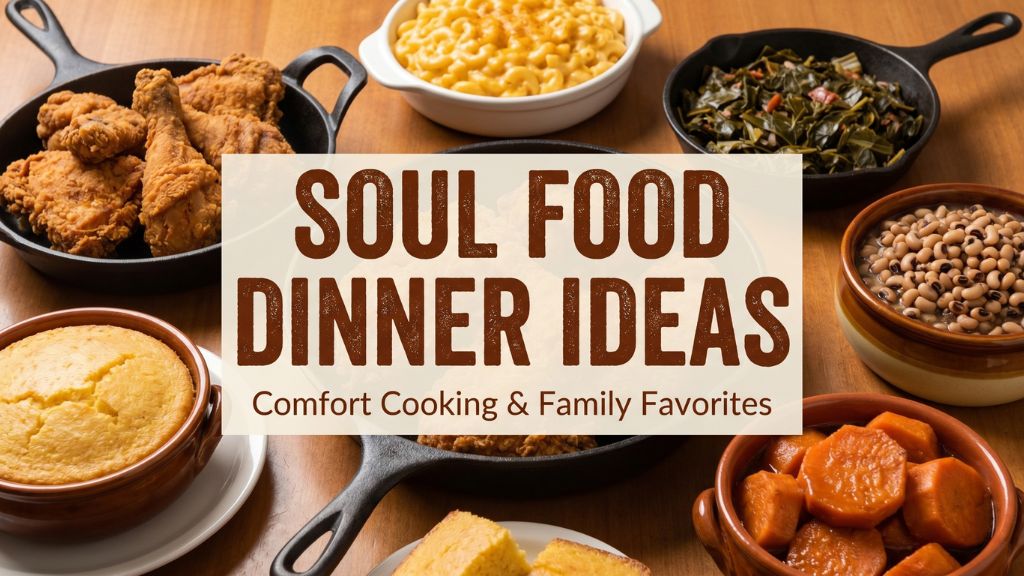
 10+ Soul Food Dinner Ideas That Will Make Your Table Feel Like Home
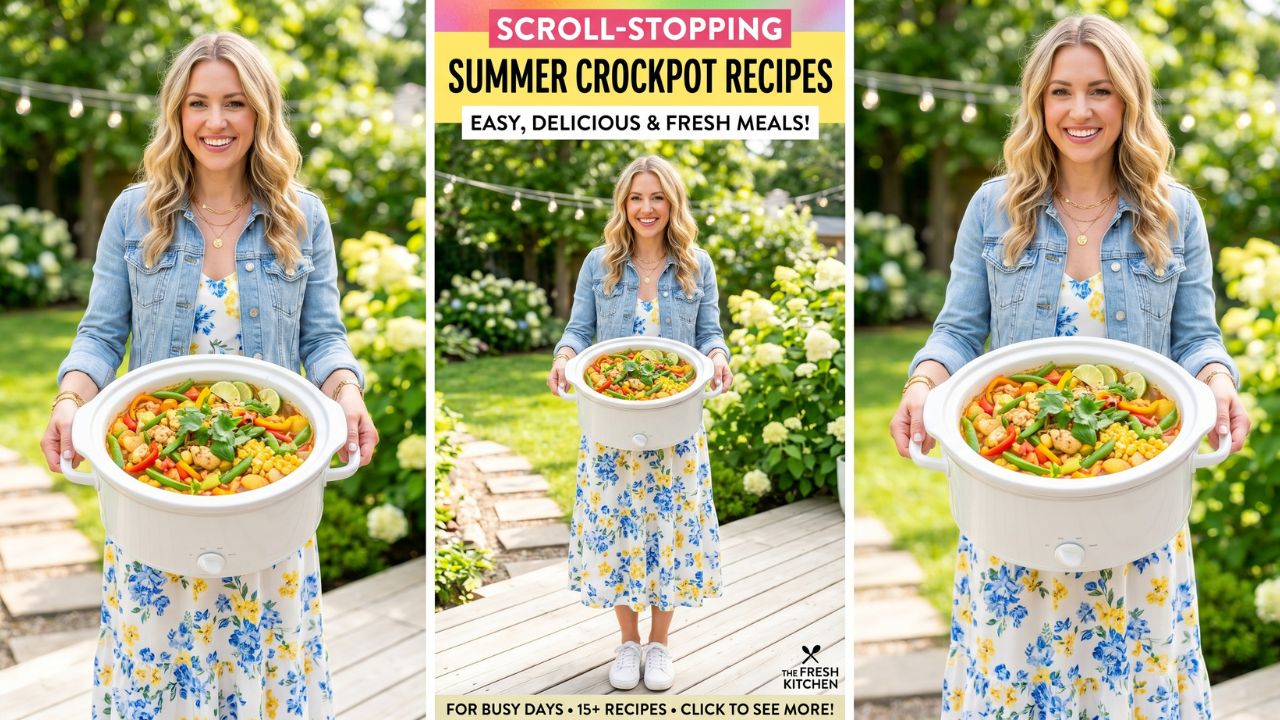
 Easy Summer Crockpot Recipes For Families
 Best Emergency Food Supply: What Actually Keeps Your Family Fed When It Matters Most
Baked Mac and Cheese Recipe Quick Recipe Facts
| Detail | Info |
|---|---|
| Prep Time | 20 minutes |
| Cook Time | 35 minutes |
| Total Time | 55 minutes |
| Servings | 8 |
| Difficulty | Easy |
| Estimated Calories | ~520 per serving |
What Makes This Baked Mac and Cheese Recipe Special
I have made probably thirty versions of this dish over the years. Some were too dry. Some were soupy. One memorable disaster involved a cheese I will not name that turned into something resembling rubber cement.
The version I am sharing here is built on one simple principle: a proper béchamel base. That is a classic French white sauce made from butter, flour, and milk. When you start your cheese sauce with a real béchamel, you get a sauce that stays creamy in the oven instead of separating and turning greasy.
The second trick is using a combination of cheeses. Sharp cheddar gives you that classic flavor. Gruyère adds a nutty depth. A small amount of cream cheese acts as an emulsifier, keeping everything smooth and cohesive even after baking.
The result is a baked mac and cheese with a velvety interior and a crispy, golden breadcrumb crust that shatters when you press a spoon into it.
What is your favorite cheese combination in mac and cheese? Drop it in the comments — I am always curious what blends readers are experimenting with.
Baked Mac and Cheese Recipe Ingredients You Will Need
| Ingredient | Quantity | Notes / Substitutes |
|---|---|---|
| Elbow macaroni | 1 lb (450g) | Cavatappi or shells also work great |
| Unsalted butter | 6 tbsp | Divided: 4 for roux, 2 for topping |
| All-purpose flour | ¼ cup | Creates the roux base |
| Whole milk | 3 cups | 2% works; avoid skim |
| Heavy cream | 1 cup | Sub: evaporated milk |
| Sharp cheddar cheese | 2 cups, shredded | Sharp gives the boldest flavor |
| Gruyère cheese | 1 cup, shredded | Sub: Swiss or Fontina |
| Cream cheese | 3 oz, softened | Keeps sauce ultra-smooth |
| Dijon mustard | 1 tsp | Sharpens the cheese flavor |
| Garlic powder | ½ tsp | Do not use garlic salt |
| Smoked paprika | ½ tsp | Adds warmth; regular paprika works |
| Salt | 1 tsp | To taste |
| Black pepper | ½ tsp | Freshly cracked preferred |
| Panko breadcrumbs | ¾ cup | Regular breadcrumbs also fine |
| Parmesan cheese | ¼ cup, grated | For the topping |
A note on shredding cheese: Always shred your cheese by hand from a block. Pre-shredded bags contain anti-caking agents like cellulose that prevent the cheese from melting smoothly. It takes three extra minutes and makes a real difference in your final sauce.
Step-by-Step Instructions
1. Cook the pasta just short of done.
Bring a large pot of well-salted water to a rolling boil. Add the elbow macaroni and cook it for two minutes less than the package directions indicate. You are looking for al dente — firm in the center. The pasta finishes cooking in the oven, and if it goes in fully cooked, it turns mushy.
Drain it well and toss it with a small drizzle of olive oil to prevent sticking while you make the sauce. Set it aside.
2. Preheat your oven and prep the baking dish.
Set your oven to 375°F (190°C). Butter a 9×13 inch baking dish generously. This prevents sticking and adds a little extra richness around the edges.
Easy Venezuelan Recipes at Home: The Arepa Recipe You’ll Actually Make Again
12 High Protein Snacks That Actually Keep You Full (No Bland Chicken Required)
12 Healthy Lunch Ideas for Work That Actually Keep You Full and Energized All Day
10+ Soul Food Dinner Ideas That Will Make Your Table Feel Like Home
Easy Summer Crockpot Recipes For Families
Best Emergency Food Supply: What Actually Keeps Your Family Fed When It Matters Most
3. Build the béchamel.
In a large, heavy-bottomed saucepan over medium heat, melt 4 tablespoons of butter. Once the butter is fully melted and just beginning to foam, whisk in the flour. Cook this mixture — called a roux — for about 90 seconds, stirring constantly. You want it to smell faintly nutty and turn a pale golden color. This step cooks out the raw flour taste.
Now slowly pour in the milk and cream, a little at a time, whisking continuously. Adding the liquid too fast causes lumps. Keep whisking and the sauce will come together into a smooth, thick mixture within 5 to 7 minutes.
4. Add the cheese and seasonings.
Reduce the heat to low. Add the cream cheese first and whisk until it fully dissolves into the sauce. Then add the shredded cheddar and Gruyère in three separate additions, stirring each handful fully before adding the next. Rushing this step causes the fats to separate.
Stir in the Dijon mustard, garlic powder, smoked paprika, salt, and pepper. Taste the sauce and adjust the salt now — it should taste slightly overseasoned because the pasta will absorb and dilute the flavor.
5. Combine and transfer to the baking dish.
Add the drained pasta directly into the cheese sauce and stir until every piece is coated. Pour the mixture into your prepared baking dish and spread it into an even layer.
6. Make the crispy topping.
Melt the remaining 2 tablespoons of butter and combine it with the panko breadcrumbs and Parmesan cheese. Toss until the crumbs are evenly coated. Scatter this mixture over the top of the pasta in an even layer.
7. Bake until golden and bubbling.
Place the dish in the preheated oven, uncovered, and bake for 30 to 35 minutes. The topping should be deep golden brown and the edges should be bubbling. Let the dish rest for 5 to 10 minutes before serving. This resting period allows the sauce to set slightly, so it scoops cleanly instead of running all over the plate.
Pro Tips and Common Mistakes to Avoid
Making baked mac and cheese seems simple, but there are a few places where things can go wrong fast.
Do not skip the roux. Some recipes call for just melting cheese into warm milk. Without a roux, the fat in the cheese separates during baking and you end up with a greasy pool at the bottom and a grainy texture throughout. The béchamel is not optional — it is the backbone of the sauce.
Keep the heat low when adding cheese. High heat breaks the protein structure in cheese and causes it to clump and turn stringy. After you add the flour-thickened milk mixture, drop the heat to low before adding any cheese.
Season the pasta water generously. This is the one chance you have to season the pasta itself from the inside. The water should taste noticeably salty, similar to a light broth.
Bake uncovered the entire time. Covering it traps steam and prevents the topping from crisping. If the top is browning too fast at the 20-minute mark, loosely tent it with foil for the remaining time.
Do not overbake. A dry baked mac and cheese is usually the result of going 10 to 15 minutes too long. Check at 30 minutes. The center should jiggle slightly when you shake the pan — it firms as it rests.
Variations and Substitutions
This recipe is a solid base that accepts a lot of customization.
For a spicy version, stir in ¼ teaspoon of cayenne pepper with the other spices and top with pickled jalapeño slices before baking.
For a smoky, meaty variation, stir in 6 ounces of crumbled cooked bacon or diced smoked sausage before transferring to the baking dish. Smoked gouda can replace the Gruyère to double down on that smoky profile.
For a vegetable-loaded version, fold in one cup of frozen peas, half a cup of roasted red pepper, or a handful of baby spinach. These go in with the pasta when you combine it with the sauce.
Gluten-free option: Use your preferred gluten-free pasta and swap the all-purpose flour for an equal amount of sweet rice flour (not regular rice flour). Sweet rice flour makes a smooth, stable roux. Use gluten-free breadcrumbs for the topping.
Dairy-free version: This is a harder swap, but cashew cream combined with nutritional yeast and a good-quality vegan cheddar block (shredded by hand) gets you surprisingly close. The texture will be slightly different but still delicious.
Have you tried a loaded version of this baked mac and cheese recipe? Tell me what you added in the comments — I love seeing the creative directions readers take this dish.
How to Store, Reheat, and Serve
Storage: Let the dish cool completely before covering. Store leftovers in an airtight container in the refrigerator for up to 4 days. The topping will lose its crunch overnight, which is just a fact of life with mac and cheese — it still tastes excellent.
Freezing: You can freeze this dish either baked or unbaked. For best results, freeze it before baking. Assemble everything through the step of adding the breadcrumb topping, cover tightly with plastic wrap and then foil, and freeze for up to 2 months. Bake from frozen at 375°F for 60 to 70 minutes.
Reheating: The oven is always the best method. Place the portion in an oven-safe dish, splash about 2 tablespoons of milk over it, cover loosely with foil, and warm at 325°F for 20 minutes. The milk rehydrates the pasta and keeps the sauce from drying out. The microwave works in a pinch — add a splash of milk, cover, and heat in 60-second intervals, stirring between each.
Serving suggestions: This baked mac and cheese is satisfying on its own, but it pairs beautifully with a simple green salad, roasted broccoli, or pulled pork. For a dinner party, serve it alongside a crisp white wine like an unoaked Chardonnay or a light Pinot Grigio.
According to the USDA Dietary Guidelines, dairy foods like cheese provide important nutrients including calcium, potassium, and vitamin D — so enjoy this dish knowing it contributes to your daily intake of these essentials.
For additional context on how cheese and dairy fat fit into a balanced diet, the Harvard T.H. Chan School of Public Health offers a thorough and evidence-based overview.
Baked Mac and Cheese Recipe FAQ
Q : Can I make baked mac and cheese ahead of time?
Ans – Yes, and it is actually a great make-ahead dish. Assemble the entire thing up to the point of adding the breadcrumb topping, cover it tightly, and refrigerate for up to 24 hours. When ready to bake, add the topping and bake at 375°F for 40 to 45 minutes, since it will be going in cold from the fridge.
Q : Why did my mac and cheese turn out grainy or greasy?
Ans – This almost always happens when cheese is added to a sauce that is too hot, or when the fat in the cheese separates during baking. Always add cheese over low heat, and never let your sauce boil after the cheese goes in. Using a roux-based sauce prevents most of this from happening in the first place.
Q : What is the best cheese for baked mac and cheese?
Ans – Sharp cheddar is the classic base because of its bold, recognizable flavor. For complexity, pair it with Gruyère, Fontina, Gouda, or Havarti. Avoid low-moisture or processed cheeses in the sauce — save those for melted cheese on burgers.
Q : Can I use milk instead of heavy cream?
Ans – You can use all whole milk and skip the cream entirely. The sauce will be slightly thinner and lighter, but it will still taste great. Avoid skim or low-fat milk because the sauce can turn watery and lack richness.
Q : How do I keep the breadcrumb topping crispy?
Ans – Use panko breadcrumbs rather than regular ones — the larger, drier flakes crisp up dramatically better in the oven. Mixing them with melted butter and Parmesan before spreading ensures they toast evenly. Baking uncovered the entire time is also essential.
Q : Can kids eat this recipe?
Ans – Absolutely. This recipe uses no alcohol and very mild spices. If serving to young children who are sensitive to flavor, you can reduce or omit the smoked paprika and Dijon mustard without affecting the overall texture. The garlic powder adds a background depth that most kids do not even notice.
Made this recipe? Share your results in the comments below or tag your photo — I genuinely love seeing this dish come out of other people’s kitchens.