My neighbor grew up in Maracaibo, and the first time she handed me a warm arepa stuffed with black beans and cheese, I burned my fingers grabbing it before it had even cooled. That clumsy, happy mess is basically the whole spirit of Venezuelan cooking. It rewards enthusiasm more than precision, and it does not ask for a fancy kitchen.
If you are searching for easy Venezuelan recipes at home, you are in the right place. This guide walks you through the dishes every Venezuelan household leans on: crisp corn arepas, sweet cachapas, golden tequeños, and the fillings that turn plain corn dough into a full meal. None of it requires special equipment, and most of it comes together in under 30 minutes.
Venezuelan food centers on corn, cheese, plantains, and slow-cooked meats, and it borrows techniques from Spanish, Indigenous, and West African cooking traditions. That mix is exactly why easy Venezuelan recipes at home feel both new and familiar at the same time. You already know how to fry, simmer, and grill. Venezuelan cuisine just points those skills in a different direction.
 12 High Protein Snacks That Actually Keep You Full (No Bland Chicken Required)
 12 Healthy Lunch Ideas for Work That Actually Keep You Full and Energized All Day
 10+ Soul Food Dinner Ideas That Will Make Your Table Feel Like Home
 Easy Summer Crockpot Recipes For Families
 Best Emergency Food Supply: What Actually Keeps Your Family Fed When It Matters Most
 Easy Summer Crockpot Recipes Kid Friendly
What Makes This Recipe Special
Corn is the backbone of Venezuelan cooking, but it is not the corn you already know from cornbread or tortillas. Venezuelan cooks use masarepa, a pre-cooked white or yellow cornmeal that turns into soft, pliable dough with nothing more than water and salt. That single ingredient is why arepas, the most famous of all easy Venezuelan recipes at home, come together so fast.
I burned my first batch of arepas twice before I understood the pan needed to be properly hot before the dough ever touched it. Once I got the heat right, the outside turned crisp and golden while the inside stayed soft and slightly chewy, almost like a cross between cornbread and a dinner roll. That contrast in texture is the whole point.
Unlike many regional Latin American dishes that demand hours of prep, Venezuelan home cooking is built around speed and shared plates. A weeknight dinner might mean arepas stuffed with whatever leftovers are in the fridge, plus a side of black beans and sweet plantains. That flexibility is exactly why this cuisine works so well for home cooks who want real flavor without a long ingredient list.
Have you ever tried a dish that changed how you think about a whole country’s food? For a lot of people, that dish is the arepa. Let’s get into how to make one properly.
Easy Venezuelan Recipes at Home Ingredients
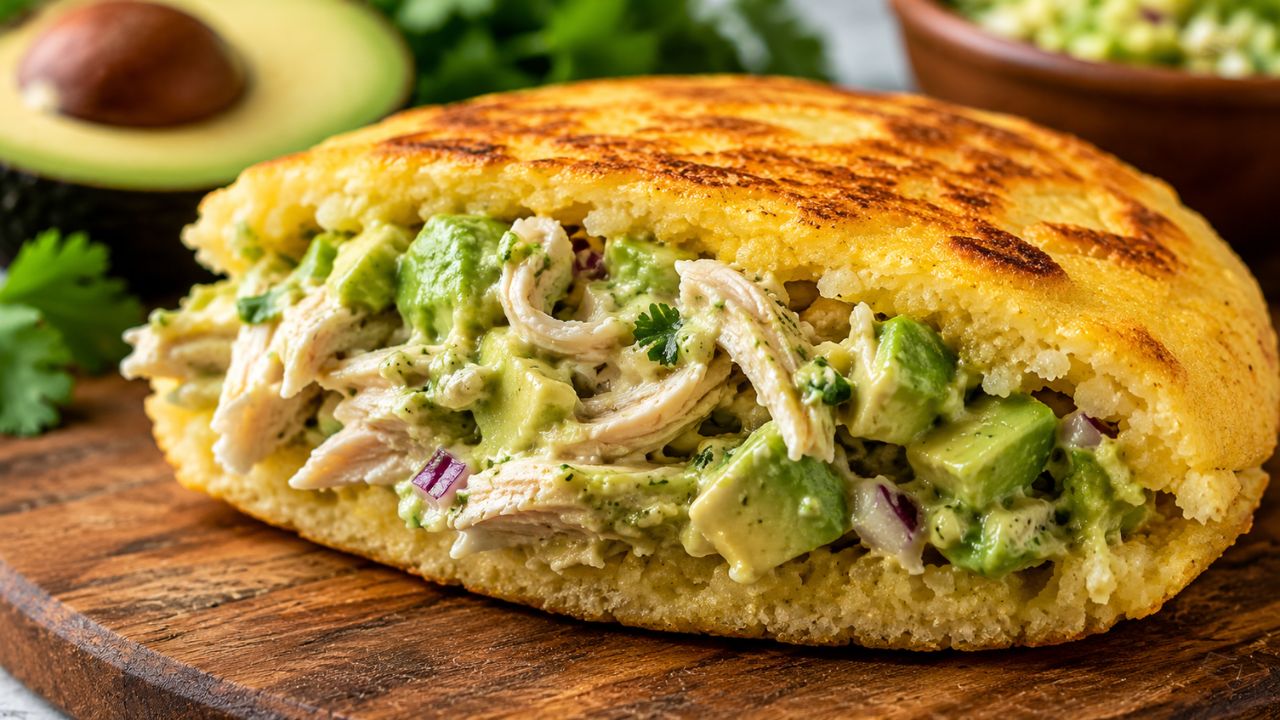
This table covers a classic arepa dough plus the reina pepiada filling, one of the most requested combinations among easy Venezuelan recipes at home. Reina pepiada pairs shredded chicken with avocado and a touch of mayonnaise, and it was reportedly named after a 1955 Miss World winner from Venezuela.
| Ingredient | Quantity | Notes or Substitutes |
|---|---|---|
| Pre-cooked white cornmeal (masarepa, such as P.A.N. brand) | 2 cups | Do not substitute regular cornmeal, masa harina, or polenta; they behave differently and will not form the right dough |
| Warm water | 2½ cups | Around 100–110°F; too hot will cook the outer layer of flour too fast |
| Salt | 1 tsp | Fine sea salt dissolves more evenly than coarse salt |
| Neutral oil or butter | 2 tbsp | For greasing the pan; butter adds a richer flavor |
| Cooked, shredded chicken breast | 1½ cups | Rotisserie chicken works well for a shortcut |
| Ripe avocado | 1 large | Should give slightly to gentle pressure |
| Mayonnaise | 3 tbsp | Use a lime-based mayonnaise for extra brightness |
| Lime juice | 1 tbsp | Fresh-squeezed makes a noticeable difference |
| Cilantro, finely chopped | 2 tbsp | Optional, but traditional |
| Salt and black pepper | To taste | Season the filling separately from the dough |
Quick Facts
| Detail | Information |
|---|---|
| Prep time | 20 minutes |
| Cook time | 15 minutes |
| Total time | 35 minutes |
| Servings | 4 arepas |
| Difficulty | Beginner |
| Calories per serving (approx.) | 320–360 |
Step-by-Step Instructions
- Mix the dough. In a large bowl, combine the masarepa and salt. Slowly pour in the warm water while mixing with your hand, working out any lumps as you go.
- Knead briefly. Knead the dough for about two minutes until it is smooth, soft, and slightly tacky but not sticky. If it cracks when you press a finger into it, add a tablespoon of water at a time until it holds together.
- Rest the dough. Let it sit, covered, for five minutes. This gives the cornmeal time to fully absorb the water, which is why unrested dough often falls apart in the pan.
- Shape the arepas. Divide the dough into four equal balls, then flatten each into a disc about half an inch thick and four inches wide. Smooth the edges with wet hands so they do not crack while cooking.
- Heat the pan. Warm a heavy skillet or griddle over medium heat and add the oil or butter. The pan is ready when a drop of water sizzles immediately on contact.
- Cook the first side. Place the arepas in the pan without crowding them. Cook for five to six minutes until a golden crust forms on the bottom.
- Flip and finish. Turn the arepas and cook the second side for another five to six minutes. Tap the top gently; a hollow sound means it is done all the way through.
- Optional oven finish. For extra-fluffy centers, transfer the arepas to a 350°F oven for ten minutes after searing both sides. This step is common in restaurant kitchens because it guarantees the inside cooks fully without burning the crust.
- Make the filling. While the arepas cook or rest, mash the avocado in a bowl until mostly smooth. Fold in the shredded chicken, mayonnaise, lime juice, and cilantro, then season with salt and pepper.
- Slice and stuff. Let the arepas cool for two or three minutes, then slice each one horizontally about three-quarters of the way through, like a pita pocket. Spoon in the filling generously and press gently to close.
Serve them warm, ideally with the filling still slightly cool against the hot corn crust. That temperature contrast is part of what makes arepas so satisfying.
Pro Tips and Common Mistakes to Avoid
Getting the water temperature right matters more than most recipes let on. Water that is too hot will partially cook the outer layer of masarepa before it hydrates evenly, which leaves you with a lumpy, uneven dough that is hard to shape.
Resting the dough is not optional, even though it is tempting to skip. Five minutes of rest lets the starches fully absorb the liquid, so the arepa holds its shape in the pan instead of crumbling at the edges.
- Do not rush the sear. Medium heat for the full five to six minutes per side is what builds the golden crust; higher heat burns the outside before the inside cooks.
- Skip pre-shredded cheese in fillings. Freshly shredded cheese melts more evenly and avoids the waxy coating found on bagged shredded cheese.
- Use a kitchen scale for hallacas or tequeños dough. Even portions cook more consistently, which matters more with fried or wrapped dishes than with arepas.
- Let fried items rest on a wire rack, not paper towels. Paper towels trap steam underneath, which softens the crisp exterior you just worked for.
The most common beginner mistake with easy Venezuelan recipes at home is treating masarepa like ordinary cornmeal. It is a different, pre-cooked product, and substituting the wrong flour is the single biggest reason first attempts at arepas fail.
12 High Protein Snacks That Actually Keep You Full (No Bland Chicken Required)
12 Healthy Lunch Ideas for Work That Actually Keep You Full and Energized All Day
10+ Soul Food Dinner Ideas That Will Make Your Table Feel Like Home
Easy Summer Crockpot Recipes For Families
Best Emergency Food Supply: What Actually Keeps Your Family Fed When It Matters Most
Easy Summer Crockpot Recipes Kid Friendly
Variations and Substitutions
Once you have the basic arepa dough down, a whole world of easy Venezuelan recipes at home opens up. Here are a few classic directions to take it.
Cachapas swap the masarepa for fresh corn kernels blended with a little flour, milk, and a touch of sugar, cooked into a soft, slightly sweet pancake. They are traditionally folded around salty queso de mano or a mild fresh cheese, and the sweet-savory combination is one of the most recognizable flavors in Venezuelan cooking.
Tequeños use a simple flour dough wrapped around sticks of firm white cheese, then deep-fried until the outside turns golden and blistered. They are a party staple, usually served alongside a garlic dipping sauce, and freeze well before frying if you want to prep ahead for a gathering.
Perico is a fast scrambled-egg dish with tomato, onion, and bell pepper, often spooned into an arepa for breakfast. It takes under ten minutes and uses ingredients most people already keep on hand.
Pabellón criollo, considered by many to be Venezuela’s national dish, layers shredded beef, black beans, white rice, and sweet fried plantains on one plate. It is heartier than the other dishes here, but every component can be made ahead and reheated, which makes it realistic for a weeknight.
What is your go-to protein for stuffing arepas? Some households swear by shredded beef, others go straight for black beans and cheese, and I would genuinely like to know what you reach for most.
How to Store, Reheat, and Serve
Arepa dough does not keep well once cooked, and most Venezuelan households treat leftover arepas as a rare exception rather than the norm. If you have raw, uncooked dough left over, wrap it tightly in plastic and refrigerate it for up to a day, then shape and cook it fresh.
Cooked arepas can be stored in an airtight container in the refrigerator for up to two days. Reheat them in a dry skillet over medium-low heat for a few minutes per side to bring back some crispness, since a microwave will leave them soft and slightly gummy.
Fillings like reina pepiada and pollo mechado hold up well in the fridge for three to four days and actually improve as the flavors settle overnight. Keep the filling separate from the arepa until you are ready to eat, since pre-stuffed arepas turn soggy quickly.
For serving, a simple green salad or a side of black beans rounds out the meal without much extra work. Guasacaca, a Venezuelan avocado-cilantro sauce similar to a looser guacamole, is worth making anytime you are already using avocado for a filling.
If you are watching sodium intake, the U.S. Department of Agriculture’s FoodData Central database is a useful reference for checking the sodium and calorie content of pre-cooked cornmeal brands, since values can vary between products. It is a quick way to keep easy Venezuelan recipes at home lined up with your own nutrition goals.
Frequently Asked Questions
Can I make arepa dough ahead of time?
Yes, but only for about a day. Wrap the raw dough tightly in plastic and refrigerate it, then bring it to room temperature before shaping. Cooked arepas do not reheat as well, so it is better to store the dough uncooked whenever possible.
What can I substitute for masarepa if I cannot find it?
There is no true substitute, since regular cornmeal, masa harina, and polenta are processed differently and will not bind the same way. Most Latin grocery stores and many major supermarkets carry P.A.N. or Goya brand masarepa, and it is also widely available online.
Are arepas gluten-free?
Yes, plain masarepa is made from corn and naturally contains no gluten. Always check the label on packaged fillings or sauces, since ingredients like soy sauce or thickeners can introduce gluten unexpectedly.
Why did my arepas fall apart while cooking?
This usually means the dough was not hydrated enough or did not rest long enough before shaping. Add water a tablespoon at a time until the dough holds a fingerprint without cracking, then let it rest a full five minutes.
What is the difference between an arepa and a cachapa?
Arepas are made from pre-cooked dried cornmeal and have a firmer, bread-like texture. Cachapas use fresh corn kernels blended into a batter, which produces a softer, slightly sweet pancake instead.
Can I freeze tequeños before frying?
Yes, assembled but unfried tequeños freeze well for up to two months. Fry them straight from frozen, adding an extra minute or two to the cooking time so the cheese melts fully.
Bringing It All Together
Easy Venezuelan recipes at home come down to a short list of techniques repeated across different dishes: hydrate the dough properly, respect the resting time, and get your pan hot before anything touches it. Once those habits click, arepas, cachapas, and tequeños stop feeling like separate projects and start feeling like variations on the same skill set.
For general food safety guidance on handling raw poultry for fillings like reina pepiada or pollo mechado, the World Health Organization’s five keys to safer food offers straightforward, evidence-based steps worth keeping in mind in any kitchen.
Start with a single batch of arepas this week. Once you get a feel for the dough, the rest of the Venezuelan table opens up fast, and there is a decent chance it becomes a regular fixture in your kitchen the way it has in mine.