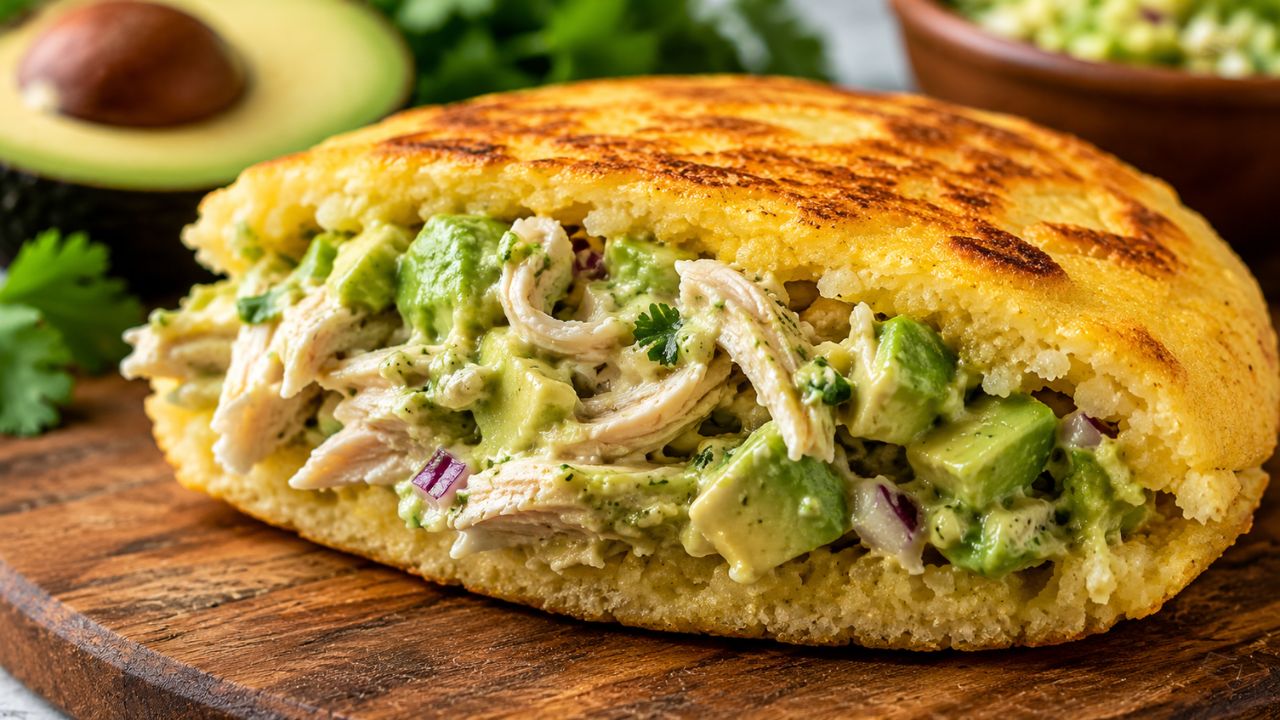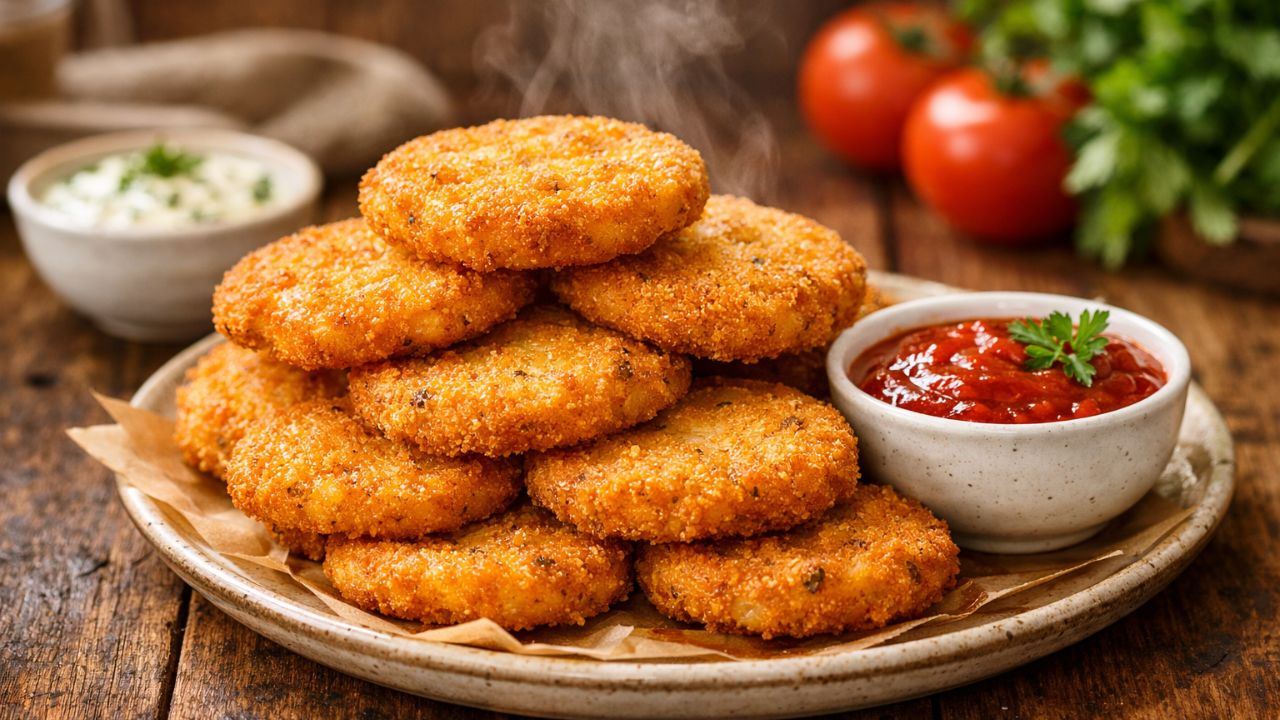
Frying Saucer Recipe – There is a moment right after you flip a frying saucer in the pan when the kitchen goes quiet, and then the sizzle hits, and you know something genuinely good is happening. That smell, that sound, that golden edge curling up just enough to tell you it is ready — this recipe delivers that every single time.
A frying saucer is a pan-fried dough disc, golden and crisp on the outside and pillowy-soft on the inside. Depending on which corner of the world you grew up in, you may know it by another name: Johnny cake, fried bake, fry bread, or dough boy. But the frying saucer recipe we are making today is the one that belongs in your permanent rotation, the kind you whip up for Saturday breakfast and end up making again Tuesday night because the craving hits that hard.
| Detail | Info |
|---|---|
| Prep Time | 15 minutes |
| Rest Time | 20 minutes |
| Cook Time | 20 minutes |
| Total Time | 55 minutes |
| Servings | 8 frying saucers |
| Difficulty | Easy |
| Calories (approx.) | 210 per saucer |
What Makes This Frying Saucer Recipe Different From Every Other Version
I grew up watching my grandmother make these on a cast iron pan that had seen more meals than I have had birthdays. She never measured a thing. She went by feel, pinching the dough and listening to the fat.
 Easy Venezuelan Recipes at Home: The Arepa Recipe You’ll Actually Make Again
 12 High Protein Snacks That Actually Keep You Full (No Bland Chicken Required)
 12 Healthy Lunch Ideas for Work That Actually Keep You Full and Energized All Day
 10+ Soul Food Dinner Ideas That Will Make Your Table Feel Like Home
 Easy Summer Crockpot Recipes For Families
 Best Emergency Food Supply: What Actually Keeps Your Family Fed When It Matters Most
The first time I tried to recreate her frying saucer recipe on my own, I made them too thick and the inside stayed raw while the outside charred. The second batch was too thin and came out more cracker than cloud. Batch three was where it clicked: the thickness of your thumb, rested dough, medium heat, and patience.
What sets this version apart is the small amount of fat worked directly into the dough itself, which creates a layered, slightly flaky interior instead of a dense bread-like bite. There is also a short rest period that lets the gluten relax so the saucers stretch flat without fighting you.
This is not a complicated recipe. But the technique matters, and once you understand the why behind each step, you will not need to follow a recipe again.
Frying Saucer Recipe Ingredients You Will Need
Every ingredient here is doing a job. Nothing is filler.
| Ingredient | Quantity | Notes / Substitutes |
|---|---|---|
| All-purpose flour | 2 cups | Bread flour works for a chewier texture |
| Baking powder | 2 tsp | Do not use baking soda — different reaction |
| Salt | ½ tsp | Kosher salt preferred |
| Sugar | 1 tsp | Optional, adds slight browning and sweetness |
| Cold unsalted butter | 2 tbsp | Can substitute shortening or cold coconut oil |
| Whole milk | ¾ cup | Full-fat coconut milk for dairy-free version |
| Neutral oil for frying | 1 to 1.5 cups | Vegetable, canola, or sunflower oil |
You want your butter cold. Cold fat creates steam pockets as it hits the hot oil, and that is what gives you those little layers inside the saucer instead of a uniform bread-like crumb.
Do you have a cast iron skillet or a heavy-bottomed pan at home? That is the single piece of equipment that will make the biggest difference here. The even heat distribution keeps the saucers cooking uniformly without burning the edges before the center sets.
Step-by-Step Instructions for the Perfect Frying Saucer Recipe
1. Make the Dough
Whisk together the flour, baking powder, salt, and sugar in a large mixing bowl. Add the cold butter in small cubes and use your fingertips to rub it into the flour until the mixture resembles coarse sand with a few pea-sized bits remaining. This process is called rubbing in, and it is the same technique used in biscuit and shortcrust pastry making.
Pour in the milk gradually, stirring with a wooden spoon or your hand until the dough just comes together. It should feel soft but not sticky, and it should hold its shape when pressed.
2. Rest the Dough
Wrap the dough loosely in plastic wrap or cover the bowl with a clean kitchen towel. Let it rest at room temperature for 20 minutes.
Easy Venezuelan Recipes at Home: The Arepa Recipe You’ll Actually Make Again
12 High Protein Snacks That Actually Keep You Full (No Bland Chicken Required)
12 Healthy Lunch Ideas for Work That Actually Keep You Full and Energized All Day
10+ Soul Food Dinner Ideas That Will Make Your Table Feel Like Home
Easy Summer Crockpot Recipes For Families
Best Emergency Food Supply: What Actually Keeps Your Family Fed When It Matters Most
Resting matters because it allows the gluten strands — which tighten up when you work the dough — to relax. Skipping this step means your saucers will spring back when you try to flatten them and they will cook unevenly.
3. Portion and Shape
Divide the dough into 8 equal balls, roughly the size of a golf ball. On a lightly floured surface, use your palm to flatten each ball into a disc about a quarter-inch thick, no more. If you go thicker, the inside will not cook through before the outside browns.
4. Heat the Oil
Pour enough oil into your skillet to come about half an inch up the sides. Heat over medium heat until the oil reaches around 350°F (175°C). If you do not have a thermometer, drop a small pinch of dough in: if it sizzles immediately and rises to the surface within a few seconds, your oil is ready.
5. Fry the Saucers
Carefully slide 2 to 3 dough discs into the hot oil — do not crowd the pan. Fry for about 3 to 4 minutes on the first side until deep golden brown, then flip and fry another 2 to 3 minutes on the second side.
Use a spider strainer or slotted spoon to transfer the finished saucers to a plate lined with paper towels. Drain briefly, then move them off the towels so they do not steam and go soft underneath.
6. Season While Hot
The moment they come out of the oil is when you season them. A light sprinkle of flaky sea salt, or for a sweet version, a dusting of cinnamon sugar. The residual heat helps the seasoning stick and absorb rather than sliding off.
Pro Tips and Common Mistakes to Avoid
The frying saucer recipe itself is simple. The mistakes are what separate good ones from great ones.
Oil temperature is everything. Too cool, and the dough absorbs the oil and comes out greasy and heavy. Too hot, and the outside burns before the inside cooks. Medium heat, patient and steady, is your friend here. If your saucers are browning in under 2 minutes, turn the heat down.
Do not overwork the dough. Mix just until it comes together. Overworking develops excess gluten and makes the saucers tough and chewy in an unpleasant way, more like shoe leather than a soft disc of fried bread.
Rest is not optional. I know it is tempting to skip it. Do not. Twenty minutes is not a long wait, and the payoff is a relaxed dough that stretches evenly and fries up light.
Dry your dough balls before flattening. If your hands are wet or your surface is over-floured, the disc surface becomes uneven and develops inconsistent thickness. Lightly floured, dry hands every time.
One last thing: do not walk away from the stove. These fry fast, and the line between golden and burned is about 45 seconds.
Variations and Substitutions Worth Trying
The base frying saucer recipe is just a canvas. Here is where the fun starts.
- Sweet Saucer: Add a teaspoon of vanilla extract and a tablespoon of sugar to the dough. Serve warm with honey, jam, or a scoop of vanilla ice cream for a dessert version that nobody sees coming.
- Savory Herb Saucer: Fold two tablespoons of finely chopped chives, rosemary, or thyme directly into the dough before resting. These are brilliant alongside soups, stews, or scrambled eggs.
- Spiced Saucer: Mix half a teaspoon each of garlic powder and smoked paprika into the flour. These pair beautifully with black beans, pulled pork, or grilled fish.
- Stuffed Saucer: Take two flattened discs, place a spoonful of shredded cheese, spiced minced meat, or seasoned mashed potato in the center of one, wet the edges lightly with water, and press the second disc on top, sealing the edges. Fry as usual for a filled version that is dangerously good.
- Dairy-Free Version: Swap the butter for cold refined coconut oil and use full-fat coconut milk in place of dairy milk. The flavor becomes slightly richer with a faint coconut note that works beautifully in the sweet variation.
Have you ever tried stuffing these with seasoned beans and cheese? That combination is something I go back to every few weeks. Drop your favorite filling in the comments below.
How to Store, Reheat, and Serve Your Frying Saucers
Frying saucers are best eaten fresh, within minutes of leaving the pan. That said, life is not always that accommodating.
Storage: Allow them to cool completely, then store in an airtight container at room temperature for up to 2 days. They soften as they sit, which is normal.
Reheating: The oven is your best option. Place them on a wire rack set over a baking sheet and warm at 350°F (175°C) for 6 to 8 minutes. This restores some of the exterior crispness without drying them out. Avoid the microwave — it makes them rubbery.
Freezing: Freeze fully cooled saucers in a single layer on a baking sheet first, then transfer to a freezer bag. They keep well for up to 2 months. Reheat directly from frozen in a 375°F oven for 10 to 12 minutes.
Serving Ideas:
- With butter and honey for breakfast
- Alongside a hearty bowl of stew or chili
- Topped with smashed avocado and a fried egg
- As the base for a Caribbean-style saltfish topping
- Served sweet with whipped cream and sliced strawberries
According to the USDA FoodData Central, enriched all-purpose flour provides iron, B vitamins, and folate — making this not just a comfort food but one with some nutritional grounding when made thoughtfully. For guidance on healthier frying oils and their fat profiles, the American Heart Association provides clear, research-backed guidance on which oils are better choices for high-heat cooking.
Frying Saucer Recipe FAQ
Q : Can I make frying saucer dough ahead of time?
Ans – Yes. You can mix the dough, wrap it tightly, and refrigerate it for up to 24 hours before frying. Let it sit at room temperature for 10 minutes before shaping so it is easier to work with.
Q : Why are my frying saucers greasy?
Ans – This almost always means your oil was not hot enough when the dough went in. Cool oil soaks into the dough rather than creating a sealed crust quickly. Use a thermometer and aim for 350°F before each batch.
Q : Can I bake these instead of frying?
Ans – You can, though they will not have the same crispy exterior or pillowy interior that defines the traditional frying saucer. Brush with butter and bake at 400°F for 18 to 22 minutes. Think of it as a different dish rather than a substitute.
Q : What is the best oil for frying saucers?
Ans – Neutral oils with a high smoke point work best: vegetable oil, canola oil, or sunflower oil are ideal. Avoid olive oil, which has a lower smoke point and will smoke heavily at frying temperature.
Q : Can I make these gluten-free?
Ans – A 1:1 gluten-free all-purpose flour blend can be substituted directly. The texture will be slightly different — a little more crumbly and less elastic — but the flavor holds up well, especially with the sweet variation.
Q : How thick should frying saucers be before they go in the oil?
Ans – Aim for just under a quarter inch, about the thickness of your thumb. Thinner than that and you lose the soft interior. Thicker and the outside will be done long before the inside cooks through.
There is something quietly satisfying about making a recipe this old, this simple, and this universally loved. The frying saucer recipe does not ask much of you. A handful of pantry staples, a hot pan, and a little patience. In return, it gives you something that nobody ever turns down at the table.
What do you love to serve alongside these? Tell me in the comments — I am always looking for new ways to bring these to the table.