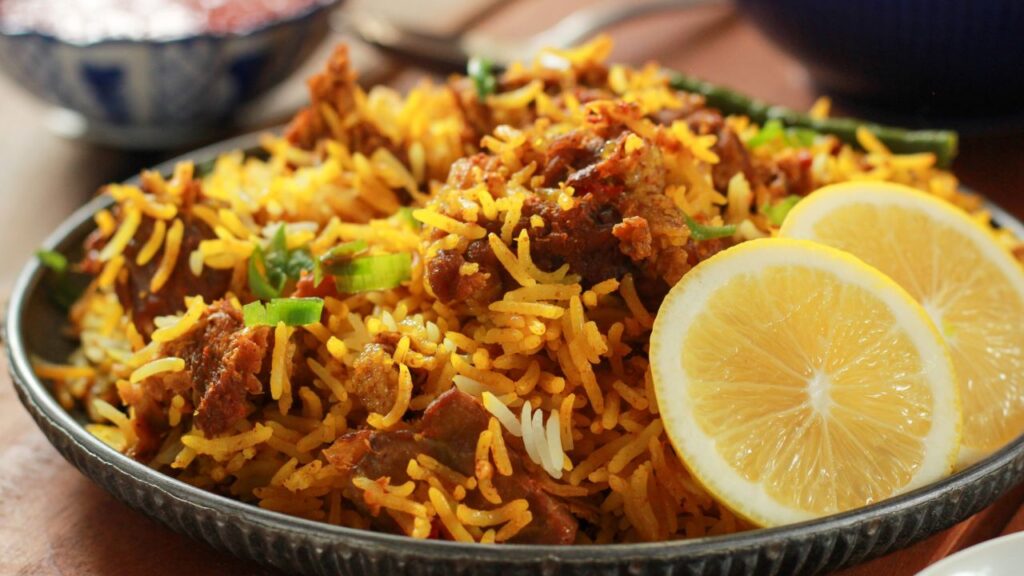
Mexican Rice Recipe : There is something almost magical about a pot of authentic Mexican rice — the way the grains turn a deep terracotta color, the smell of toasted rice mingling with cumin and garlic, the moment the tomato broth bubbles up and turns everything into something that tastes like it came from a taqueria kitchen, not yours.
This Mexican rice recipe is the one I have been making for the past twelve years, and it took me an embarrassing number of failed batches to land on it. Mushy rice. Clumped rice. Pale, flavorless rice that looked like it gave up halfway through cooking. If you have been there, you are in the right place.
The secret is not a secret ingredient — it is technique. Specifically, it is toasting the rice in oil before any liquid touches it. Once you understand that single step and why it matters, your Mexican rice will never disappoint again.




What Makes This Mexican Rice Recipe Different
Most rice recipes on the internet tell you to simmer rice in broth and call it a day. Authentic Mexican rice — known as arroz rojo or red rice — is built on a completely different foundation. You start with dry, raw long-grain rice, and you toast it in a hot, oiled pan until each grain turns golden and smells nutty.
That toasting step is not optional. It creates a protective layer on the outside of each grain so the rice absorbs liquid evenly and stays separate rather than clumping. This is the same principle behind pilaf-style cooking used across Mexican, Persian, and Spanish cuisines — and it is exactly why restaurant Mexican rice has that fluffy, every-grain-distinct texture that home versions often miss.
“The first time I watched a Mexican grandmother make rice, she never once glanced at the stove. She was talking and laughing the whole time. That is how confident you can get once you understand the method.”
The second key is the blended tomato base. Rather than using canned tomato sauce or diced tomatoes, you blend fresh Roma tomatoes with white onion and garlic into a smooth purée. That purée goes directly into the pan with the toasted rice, and the steam and acidity from the tomatoes finish cooking the grains from the inside out.
The result is Mexican rice with a deep, savory color and a flavor that is complex without being complicated.
Have you ever tried making arroz rojo from scratch before, or have you mostly relied on boxed versions? I would love to know what brought you here — drop it in the comments.
Ingredients You Will Need for Authentic Mexican Rice
This recipe keeps things traditional. No shortcuts, no boxes, no powdered seasoning packets. Every ingredient below is either available at any grocery store or easy to substitute.
| Ingredient | Quantity | Notes or Substitutes |
|---|---|---|
| Long-grain white rice | 1½ cups | Do not use short-grain or instant rice. Jasmine works in a pinch. |
| Roma tomatoes | 2 medium | Or 1 cup canned whole peeled tomatoes, drained |
| White onion | ¼ medium | Yellow onion works; red onion changes the flavor slightly |
| Garlic cloves | 3 cloves | ½ tsp garlic powder as a last resort only |
| Neutral oil | 3 tbsp | Avocado, vegetable, or canola oil — not olive oil |
| Chicken broth | 2 cups | Vegetable broth for vegetarian; water with 1 tsp bouillon |
| Tomato paste | 1 tbsp | Deepens color; skip if unavailable |
| Cumin | ½ tsp | Essential — do not skip |
| Chili powder | ½ tsp | Mild paprika as substitute for a less spicy version |
| Salt | 1 tsp | Adjust based on how salty your broth is |
| Frozen peas and carrots | ½ cup | Totally optional but traditional in many regions |
| Fresh cilantro | For garnish | Skip if you are one of those people — no judgment |
Step-by-Step Instructions for Mexican Rice
Work through these steps without rushing. The total active cooking time is around 15 minutes; the rest is patience while the rice does its thing.
- Blend your tomato base. Combine the Roma tomatoes, quartered white onion, and peeled garlic cloves in a blender. Blend until completely smooth. You should have about 1 cup of purée. Set it aside — this is the heart of your Mexican rice’s flavor.
- Toast the dry rice. Heat the oil in a wide, heavy-bottomed pan or Dutch oven over medium-high heat. Add the dry, unrinsed rice and stir constantly. This is important: do not rinse the rice first. You want the surface starch intact so it toasts rather than steams. Cook for 5 to 7 minutes, stirring often, until the grains are golden and smell nutty — think popcorn, not burnt.
- 3Add the tomato purée. Pour the blended tomato mixture directly into the hot rice. Step back — it will spit and sizzle aggressively. Stir everything together and cook for 2 minutes, letting the tomato reduce slightly and coat every grain of rice. This step is what gives Mexican rice its signature terracotta color.
- 4Season and add liquid. Stir in the tomato paste, cumin, chili powder, and salt. Pour in the chicken broth and stir once to combine. Bring everything to a rolling boil, then taste the liquid. It should be well-seasoned, almost slightly salty — the rice will absorb that flavor as it cooks.
- 5Cover and cook low. Once boiling, reduce heat to the lowest setting your stove allows, cover tightly with a lid, and do not touch it for 20 minutes. No peeking. Lifting the lid releases steam and disrupts the pressure differential that cooks the rice evenly from bottom to top.
- 6Add peas and carrots if using. At the 18-minute mark, scatter frozen peas and carrots over the surface without stirring. Replace the lid and continue cooking for the final 2 minutes. The residual steam will cook the vegetables perfectly without turning them to mush.
- 7Rest, then fluff. Turn the heat off and let the rice sit, still covered, for 5 minutes. This resting period allows any remaining steam to redistribute and the grains at the bottom to release from the pan. Then use a fork — not a spoon — to gently fluff. A fork separates grains without crushing them.
Quick tip : If your rice seems done but there is still liquid pooling at the bottom, place a clean folded dish towel under the lid and return to low heat for 3 more minutes. The towel absorbs excess steam and prevents the bottom from burning.
Pro Tips and Common Mistakes in Mexican Rice
After making this recipe more times than I can count, here are the things that separate good Mexican rice from truly great Mexican rice.
Use long-grain white rice, always
Short-grain rice has too much surface starch and will turn gluey. Medium-grain is a distant second. Long-grain — whether standard American long-grain or jasmine — gives you the fluffy, separate grain texture that defines authentic arroz rojo.
Do not rinse the rice
Every other rice recipe on earth tells you to rinse. This one does not. Rinsing removes surface starch, and for this Mexican rice recipe, that starch helps the grains brown properly during toasting. Skip the rinse, trust the process.
Match your liquid ratio carefully
The standard ratio for this recipe is 1 cup rice to 1⅓ cups liquid. If you scale up, keep that ratio exact. Adding extra liquid because the rice “looks dry” is the most common reason people end up with soggy Mexican rice.
Watch out : If your heat is too high when the lid is on, the liquid will evaporate before the rice is cooked through. You will open the lid to find crunchy, half-cooked grains with no liquid left. Always use the lowest heat setting your burner has.
Season your liquid before covering
Once the lid goes on, you cannot adjust seasoning without disrupting the cook. Taste the broth before covering and make sure it tastes good to you. Under-seasoned at this stage means under-seasoned rice when it is done.
What is the biggest rice mistake you have ever made? Mine was cooking it on medium heat the whole way through — dense, chewy little pucks. Tell me yours in the comments below.
Variations and Substitutions for Mexican Rice
This recipe is a foundation. Once you have made it as written and understand how it works, these variations are all easy adaptations.
Variations and Substitutions for Mexican Rice
This recipe is a foundation. Once you have made it as written and understand how it works, these variations are all easy adaptations.
Vegetarian Mexican Rice
Replace chicken broth with vegetable broth or water plus one teaspoon of vegetable bouillon paste. The flavor will be lighter but still deeply savory thanks to the tomato base and cumin.
Spicy Arroz Rojo
Add one or two dried chile de arbol to the blender when making your tomato purée. Remove before serving or blend them in fully for a smoky, lingering heat throughout the rice.
Chicken Mexican Rice (One-Pot Meal)
After toasting the rice, push it to the edges of the pan and sear small cubed chicken thighs in the center for 3 to 4 minutes per side. Then proceed with the recipe as written. The chicken cooks through in the same 20-minute steam.
Mexican Brown Rice
Brown rice works but needs more liquid (add ¼ cup extra broth) and more time (cook for 40 to 45 minutes on low instead of 20). The toasting step still applies and is just as important.
- No Roma tomatoes? Use one 14-oz can of fire-roasted diced tomatoes, drained.
- No fresh garlic? Use ½ teaspoon garlic powder added with the cumin.
- No chicken broth? Water with a teaspoon of soy sauce adds umami depth in a pinch.
How to Store, Reheat, and Serve Mexican Rice
Mexican rice keeps beautifully, which is one more reason to make a big batch.
Storage
- Refrigerator: Store in an airtight container for up to 5 days.
- Freezer: Portion into freezer bags, flatten, and freeze for up to 3 months. Thaw overnight in the refrigerator before reheating.
Reheating
The best way to reheat Mexican rice is in a covered skillet with a splash of water or broth (about 2 tablespoons per cup of rice). Heat on medium-low for 4 to 5 minutes, stirring once midway. The added moisture steams the grains back to life without turning them gummy.
Microwave works too: add the same splash of liquid, cover loosely with a damp paper towel, and heat in 1-minute bursts, fluffing in between.
What to serve with Mexican rice
This is where it gets fun. Authentic Mexican rice belongs next to so many things — slow-cooked carnitas, grilled carne asada, saucy chicken enchiladas, black bean tacos, or simply a big bowl of chili. It is also genuinely excellent stuffed into a burrito alongside refried beans, where the grains soak up all the surrounding flavor.
Make ahead tip : You can make this Mexican rice recipe up to two days in advance and store it in the refrigerator. Reheat with a splash of broth right before serving. The flavor actually deepens overnight.
What is your go-to main dish for pairing with Mexican rice? I always end up defaulting to carnitas but I am curious whether there is a combination I am missing — let me know below.
Frequently Asked Questions About Mexican Rice
Q : Can I make Mexican rice ahead of time?
Ans – Yes, and it holds up very well. Cook the rice as directed, let it cool completely, then store it in an airtight container in the refrigerator for up to five days. Reheat with a small splash of broth in a covered skillet on medium-low heat, stirring once or twice until warmed through.
Q : Why is my Mexican rice mushy?
Ans – The most common cause is too much liquid or too high heat. Make sure you are using a 1:1⅓ ratio of rice to liquid and that the heat is on its absolute lowest setting once the lid goes on. Also check that your lid fits tightly — a loose lid lets steam escape, which throws off the cooking balance.
Q : Can I use brown rice in this recipe?
Ans – You can. Increase the liquid by ¼ cup and extend the cooking time to 40 to 45 minutes on low. The toasting step still applies and actually helps brown rice develop more flavor than it would otherwise have.
Q : What kind of rice is best for authentic Mexican rice?
Ans – Long-grain white rice is the traditional choice for arroz rojo. It toasts evenly, absorbs liquid at a predictable rate, and produces separate, fluffy grains. Jasmine rice is a solid second option. Avoid short-grain, medium-grain, or any parboiled instant rice.
Q : Is Mexican rice gluten-free?
Ans – This recipe is naturally gluten-free as long as you use a certified gluten-free chicken or vegetable broth. Most commercial broths are gluten-free, but if you are cooking for someone with celiac disease, check the label on the broth and any bouillon products you use.
Q : Can I make Mexican rice in a rice cooker?
Ans – You can, but the toasting step has to happen on the stovetop first. Toast the rice in a pan, add the tomato purée and cook it down, then transfer everything into the rice cooker with the broth and seasoning and use the standard white rice setting. Skip the toasting and the rice cooker result will taste flat.
Once you make this Mexican rice recipe once, you will stop reaching for the boxed version forever. The technique is simple, the ingredients are pantry-level accessible, and the result lands somewhere between comforting and genuinely impressive. Your taco nights are about to get significantly better.