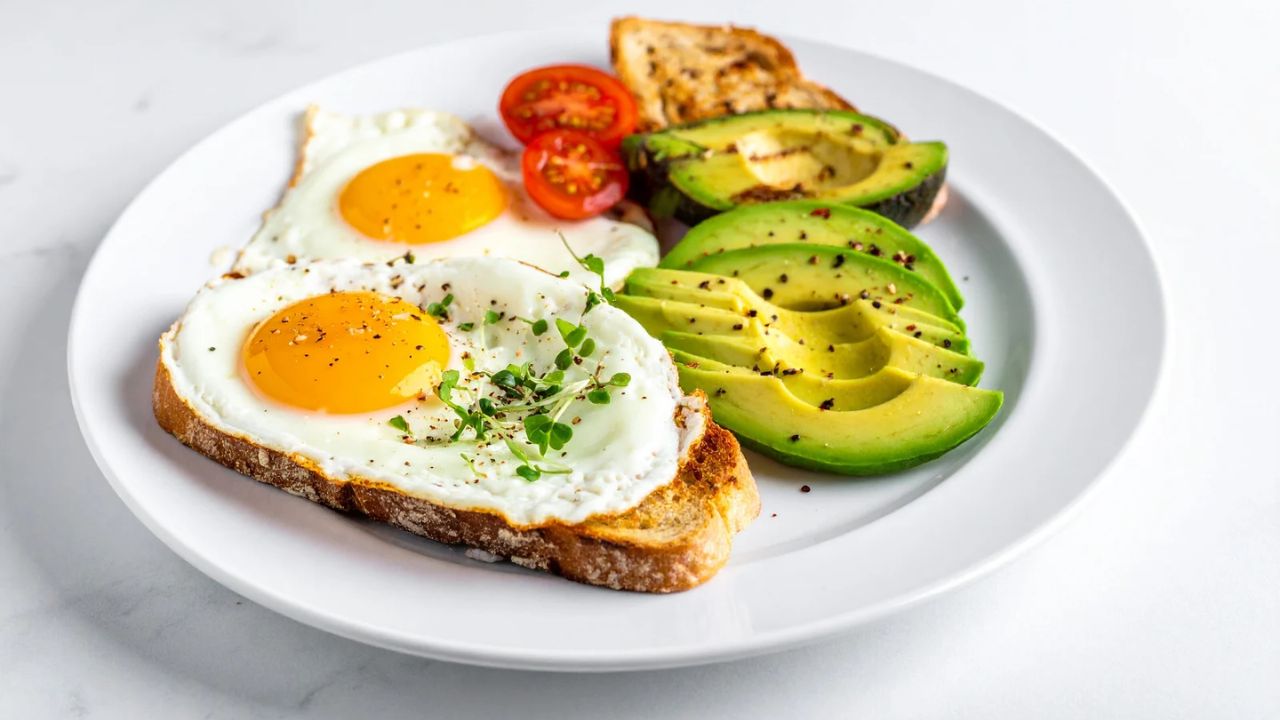
Easy Healthy Breakfast Ideas With Eggs : There is something almost magical about eggs. You can crack one open at 7am with barely a functional brain cell, and ten minutes later you are eating something genuinely nourishing. That is not an accident — it is why healthy breakfast ideas with eggs have been a staple of every serious home cook’s morning rotation for centuries.
I started leaning heavily on egg breakfasts about four years ago when I got tired of expensive granola bars that left me hungry by 10am. One pan, two eggs, a handful of spinach — and suddenly my mornings felt less like survival mode. This article covers 25 real, tested ideas, from the fastest weekday scrambles to relaxed weekend recipes worth lingering over.

What Makes Eggs the Ultimate Healthy Breakfast Ingredient
Eggs earn the top spot in any quality breakfast rotation for several reasons that go beyond convenience. A single large egg contains about 6 grams of complete protein, meaning it delivers all nine essential amino acids your body cannot produce on its own. That protein load is what keeps you full well past the mid-morning slump.
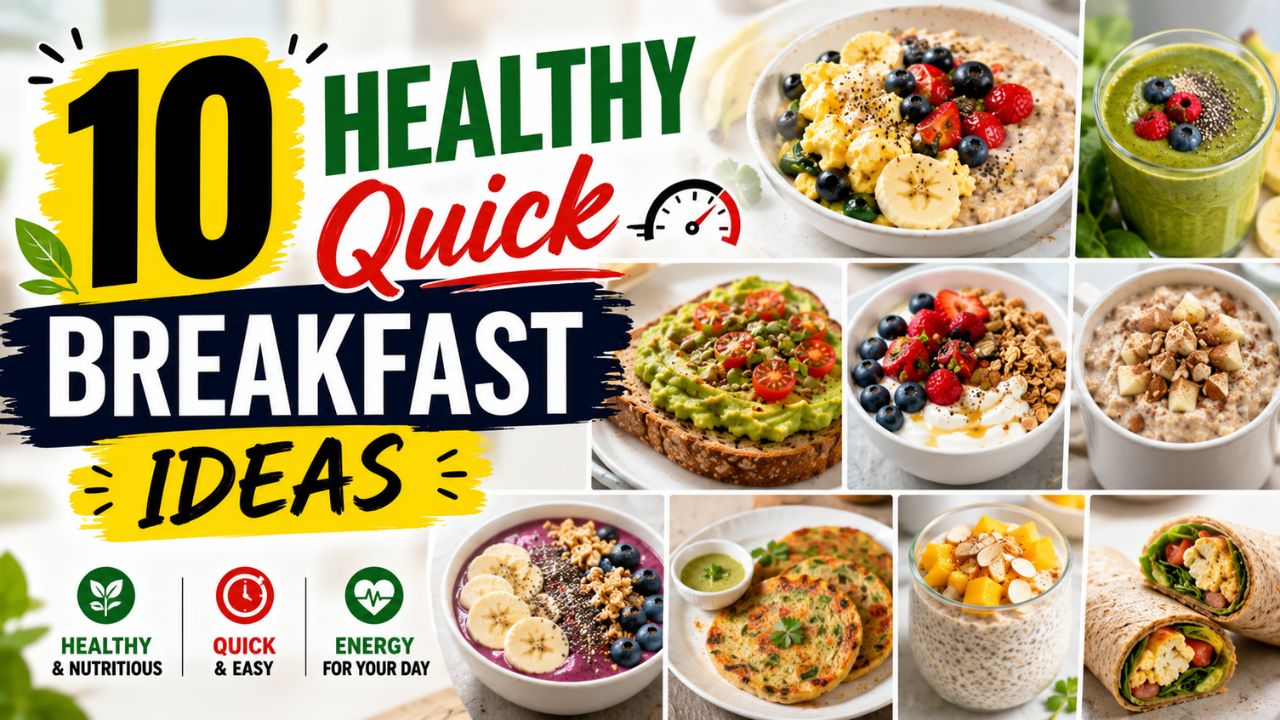
 10 Healthy Quick Breakfast Ideas That Actually Keep You Full Until Lunch
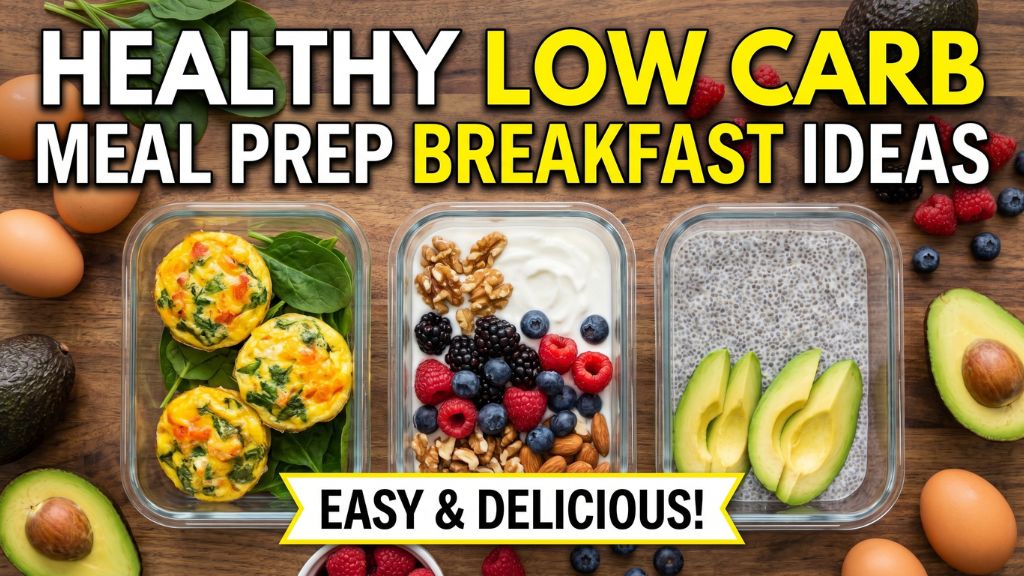
 10 Meal Prep Breakfast Ideas: Healthy, Low Carb, and Easy Enough for Every Morning
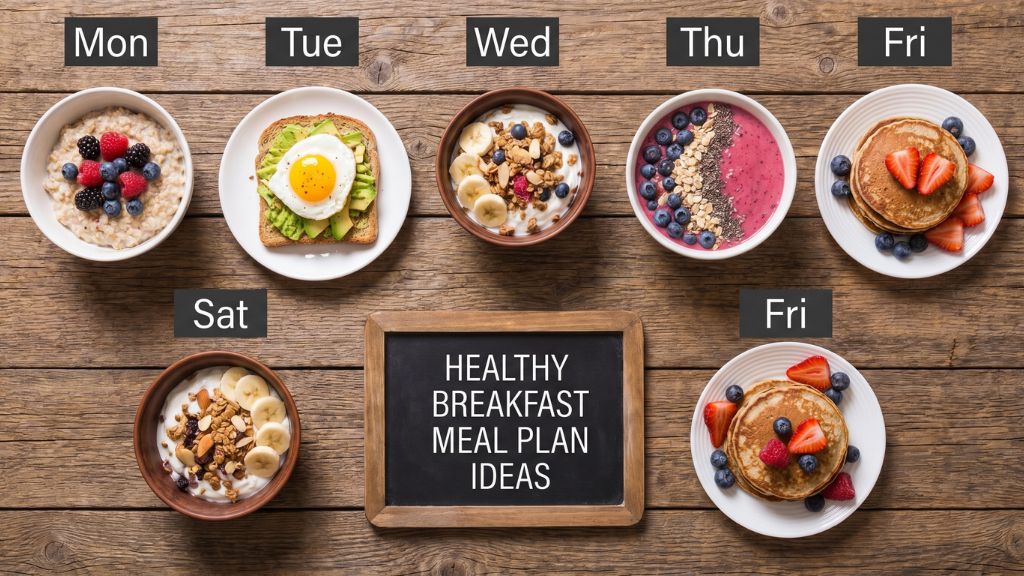
 7-Day Healthy Breakfast Ideas Meal Plan That Actually Keeps You Full All Morning
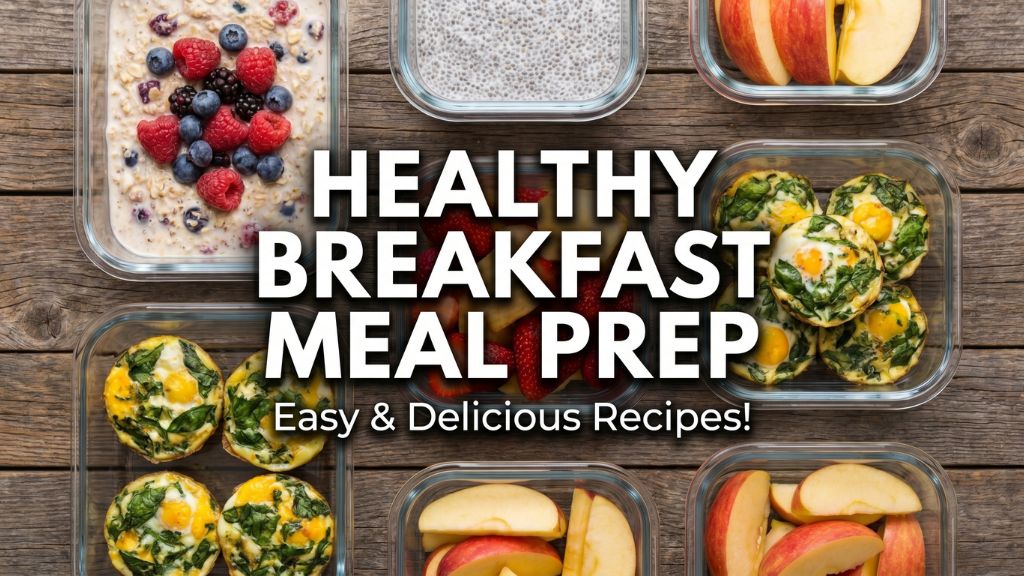
 Healthy Breakfast Meal Prep Ideas That Actually Keep You Full All Morning
 What Are the Top 10 Most Popular Breakfast Foods in the World
 What are the top 10 breakfast foods
Eggs are also one of the richest dietary sources of choline, a nutrient critical for brain function and memory. According to the National Institutes of Health, most people do not get enough choline from other foods — making eggs one of the most targeted nutritional choices you can make at breakfast.
The yolk carries fat-soluble vitamins A, D, E, and K. Contrary to what diet culture told us in the 1990s, the fat in whole eggs helps your body absorb those vitamins efficiently. Eating the whole egg — yolk included — is almost always the right call.
Quick Nutrition Facts (1 large egg): 78 calories · 6g protein · 5g fat · 0.6g carbohydrate · 147mg choline
The World Health Organization recommends including diverse protein sources at every meal. Eggs are one of the most accessible, affordable, and complete ways to do exactly that.
25 Easy Healthy Breakfast Ideas With Eggs
These are not just ideas — each has been tested in a real kitchen, with real-life interruptions. They are organized roughly from quickest to slightly more involved.
| List Number | Recipe | Time | Style |
|---|---|---|---|
| 1 | Classic Soft Scrambled Eggs | 5 min | Weekday |
| 2 | Egg White Omelette With Spinach | 8 min | Weekday |
| 3 | Avocado & Fried Egg Toast | 7 min | Weekday |
| 4 | Veggie-Packed Frittata | 25 min | Meal Prep |
| 5 | Shakshuka (Eggs in Spiced Tomato Sauce) | 20 min | Weekend |
| 6 | Microwave Mug Scramble | 3 min | Weekday |
| 7 | Soft-Boiled Egg Grain Bowl | 15 min | Meal Prep |
| 8 | Turkish Menemen | 15 min | Weekday |
| 9 | Egg & Veggie Breakfast Wrap | 10 min | Weekday |
| 10 | Cloud Eggs (Baked Meringue Style) | 20 min | Weekend |
| 11 | Poached Eggs on Wilted Greens | 12 min | Weekday |
| 12 | Breakfast Egg Muffins | 25 min | Meal Prep |
| 13 | Japanese Tamagoyaki (Rolled Omelette) | 15 min | Weekend |
| 14 | Huevos Rancheros | 20 min | Weekend |
| 15 | Egg & Smoked Salmon Bagel | 8 min | Weekday |
| 16 | Devilled Eggs With Greek Yogurt | 20 min | Meal Prep |
| 17 | Egg Drop Soup | 8 min | Weekday |
| 18 | Baked Eggs in Tomato Sauce | 20 min | Weekend |
| 19 | Spinach & Mushroom Breakfast Quesadilla | 10 min | Weekday |
| 20 | Keto Egg Salad Lettuce Cups | 15 min | Low-Carb |
| 21 | French-Style Omelette | 10 min | Weekend |
| 22 | Egg & Sweet Potato Hash | 20 min | Weekday |
| 23 | High-Protein Egg White Smoothie | 3 min | Weekday |
| 24 | Steamed Silky Eggs (Chawanmushi Style) | 20 min | Weekend |
| 25 | Loaded Breakfast Casserole | 45 min | Meal Prep |
Ingredients You Will Need
The core shopping list barely changes across most egg breakfasts. Stock these once, and almost every idea above comes together without a special trip to the store.
| Ingredient | Quantity (per 2 servings) | Notes or Substitutes |
|---|---|---|
| Large eggs | 4–6 | Pastured or free-range for richer flavour and deeper yolk colour |
| Olive oil or butter | 1 tbsp | Avocado oil for high heat; butter for creamy scrambles |
| Baby spinach or kale | 2 large handfuls | Swiss chard, arugula, or frozen spinach (thawed and squeezed dry) |
| Cherry tomatoes | 1 cup | Canned chopped tomatoes work well in cooked dishes |
| Feta or cheddar cheese | 30g | Goat cheese, ricotta, or nutritional yeast for dairy-free |
| Whole wheat bread or tortillas | 2 slices / 2 tortillas | Sourdough, rye, or grain-free tortillas are all valid swaps |
| Garlic | 1–2 cloves | Jarred minced garlic works fine on busy mornings |
| Fresh herbs (chives, parsley, dill) | Small bunch | Dried herbs work in cooked dishes; fresh is best for garnishing |
| Salt and cracked black pepper | To taste | Salt eggs just before cooking — salting too early causes watery eggs |
Step-by-Step Instructions: The Perfect Soft Scramble (Foundation Recipe)
Every other egg technique builds on understanding how eggs behave with heat. Nail this, and every other recipe above feels achievable.
1. Crack and whisk. Crack 2–3 eggs per person into a bowl. Add a small pinch of salt and whisk until the yolks and whites are fully combined with no streaks — about 30 seconds of active whisking. Do not add milk at this stage; it dilutes flavour and makes the texture rubbery.
2. Cold pan, then heat. Place a non-stick pan over medium-low heat and add half a tablespoon of butter. Let it melt slowly — you want it foamy but not browning. A pan that is too hot is the single most common mistake people make with scrambled eggs.
10 Healthy Quick Breakfast Ideas That Actually Keep You Full Until Lunch
10 Meal Prep Breakfast Ideas: Healthy, Low Carb, and Easy Enough for Every Morning
7-Day Healthy Breakfast Ideas Meal Plan That Actually Keeps You Full All Morning
Healthy Breakfast Meal Prep Ideas That Actually Keep You Full All Morning
What Are the Top 10 Most Popular Breakfast Foods in the World
What are the top 10 breakfast foods
3. Pour and wait. Pour the egg mixture in and let it sit undisturbed for about 20 seconds. Watch the edges begin to set. This initial rest is where the proteins start their first gentle coagulation.
4. Fold, do not stir. Using a silicone spatula, push the eggs from the outer edge toward the centre in slow, deliberate folds. Pull the pan off the heat every 20–30 seconds. The residual heat in the pan continues cooking the eggs even off the burner — this off-heat technique is what separates a creamy scramble from a rubbery one.
5. Finish and plate immediately. When the eggs are 90% set with a few glossy, custard-like folds remaining, take the pan off the heat completely. Add a tiny second knob of cold butter and fold it in — this stops the cooking through emulsification and adds a silky finish. Plate immediately. Eggs carry-over cook for about 30 seconds after plating.
Have you ever tried finishing your scramble with a small spoon of crème fraîche instead of butter? It changes everything. Share your version in the comments below.

Pro Tips and Common Mistakes to Avoid
The first time I attempted a French omelette, I ended up with pale yellow rubber. I had the heat too high and stirred it like risotto. Here is what I have learned since.
- Never cook eggs on high heat unless you specifically want crispy-edged fried eggs. Low and medium-low heat preserves texture and flavour at every stage.
- Salt eggs after whisking, just before cooking — not ten minutes before. Salt draws out moisture, and eggs that sit salted in a bowl become watery.
- Use a properly preheated pan for fried eggs. Test it by dropping in a tiny bit of water — it should sizzle and evaporate instantly. A cold pan makes eggs stick regardless of how much oil you use.
- For poached eggs, use fresh eggs. The whites of a fresh egg are firmer and hold together better in water. A vinegar splash helps, but freshness is the real secret.
- Do not overcrowd the pan. Cook two fried or poached eggs at a time maximum in a standard skillet. Too many eggs drop the pan temperature and cause uneven cooking.
Variations and Substitutions for Every Diet
One of the reasons healthy breakfast ideas with eggs work across so many different diets is their natural adaptability.
For dairy-free eaters: Replace butter with avocado oil or coconut oil in scrambles. Skip cheese or use nutritional yeast for a savoury, umami-forward flavour that works well in omelettes.
For low-carb and keto: Pair any egg recipe with leafy greens, avocado, or nuts instead of toast. Ideas 10, 20, and 23 from the list above are naturally low-carb without any modification.
For higher protein: Add a scoop of unflavoured collagen powder to your whisked eggs before cooking. It dissolves invisibly and adds roughly 9 additional grams of protein without any detectable change in taste or texture.
For vegetarians: Every recipe here works without meat by default. Add tofu, paneer, or lentils alongside to increase protein density further.
For meal preppers: Ideas 4, 12, 16, and 25 are designed for batch cooking. Egg muffins and breakfast casseroles freeze well for up to three months. Freeze in individual portions and reheat at 160°C for 12 minutes, or microwave from frozen for 2 minutes with a damp paper towel over the top.
Are you a meal prep person, or do you prefer cooking fresh every morning? I have gone back and forth on this for years — drop your honest answer in the comments.
How to Store, Reheat, and Serve Egg Breakfasts
Most egg dishes are best eaten fresh, but several store beautifully and are worth making in bulk.
- Frittatas and egg muffins keep in the fridge for up to 4 days. Reheat in a 160°C oven for 10 minutes, or microwave wrapped in a damp paper towel for 60–90 seconds.
- Hard and soft-boiled eggs keep unpeeled in the fridge for up to one week. Peeled eggs should be stored in cold water and used within 2 days.
- Shakshuka and baked egg dishes keep for 3 days. Reheat gently in a covered pan over low heat with a splash of water to prevent drying out.
- Scrambled eggs should never be stored — they lose their creamy texture entirely on reheating. Make them fresh; they only take three to five minutes.
- Serving tip: Pair any protein-forward egg breakfast with a piece of whole fruit or a small handful of nuts to round out the meal with fibre and healthy fats.
Frequently Asked Questions
Q : Are eggs a good breakfast for weight loss?
Ans – Yes. Eggs are high in protein and low in calories, which makes them highly satiating. Research consistently shows that people who eat eggs for breakfast consume fewer total calories throughout the day compared to those who eat carbohydrate-heavy breakfasts like bagels or cereal. Whole eggs outperform egg whites alone because the fat in the yolk slows digestion and prolongs fullness.
Q : How many eggs can I safely eat per day?
Ans – For most healthy adults, one to three eggs per day is considered safe and does not adversely affect cholesterol levels. Dietary cholesterol from eggs has a much smaller impact on blood cholesterol than was previously believed. If you have a specific cardiovascular condition, consult your doctor — but for the general population, eggs are a net nutritional positive.
Q : Can I make these egg breakfast recipes ahead of time?
Ans – Several of them — yes. Egg muffins (idea 12), breakfast casserole (idea 25), frittata (idea 4), and devilled eggs (idea 16) are all explicitly designed for batch cooking. Soft scrambles, fried eggs, and omelettes should always be made fresh. Boiled eggs can be prepped up to a week in advance if left unpeeled.
Q : What is the healthiest way to cook eggs for breakfast?
Ans – Poaching and soft-boiling are the healthiest cooking methods because they use no added fat. After that, scrambling in a small amount of olive oil or butter is a solid nutritional choice. Cooking in excessive butter or deep frying adds unnecessary saturated fat without improving the egg’s nutritional profile.
Q : Are egg breakfasts good for building muscle?
Ans – Absolutely. Eggs are a complete protein source and contain leucine — the amino acid most directly responsible for triggering muscle protein synthesis. Eating eggs within 30–60 minutes of a morning workout is a practical way to support muscle recovery without needing supplements. Pair with a carbohydrate source like oats or toast for glycogen replenishment.
Q : Can I eat eggs for breakfast every single day?
Ans – Most people can eat eggs daily without issue. Rotating your preparation method — scrambled one day, poached the next, baked the day after — keeps the habit interesting and ensures you are pairing eggs with a variety of vegetables and whole foods. Variety in what you serve alongside the eggs matters as much as the eggs themselves.