Toyota Tundra 2026: Toyota Tundra has always played a different game in the full-size pickup segment. While rivals often chase raw numbers—more torque, bigger screens, louder styling—Toyota’s strategy has traditionally centered on durability, long-term ownership value, and mechanical trust. The 2026 Toyota Tundra continues this philosophy, but with a sharper focus on modern expectations: electrified performance, smarter towing tech, improved ride quality, and a cabin that finally feels competitive with American heavyweights.
This is not a radical reinvention. Instead, Toyota has refined the current Tundra formula in areas that matter most to real truck buyers—contractors, long-distance haulers, weekend tower warriors, and families who want one vehicle that does everything reasonably well. Below is a deep, experience-driven analysis of what the 2026 Tundra offers, where it clearly improves, and where Toyota is still playing a long game rather than chasing short-term hype.
Toyota Tundra 2026 Overview and Market Position
The 2026 Tundra sits firmly in the heart of the American full-size truck market, competing against the Ford F-150, Chevrolet Silverado 1500, GMC Sierra, and Ram 1500. Toyota knows it will never outsell these trucks domestically, so the brand focuses on loyal ownership cycles—buyers who keep their trucks for 10–15 years and value reliability over flash.
 Toyota Tundra 2026: Powerful Full-Size Pickup Truck with Advanced Towing, Off-Road Capability & Premium Features
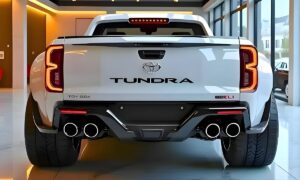 Toyota Tundra 2026 Reveal – Bold New Design and Powerful Performance
 2026 Lexus LM 350h Concept Showcases Japan’s Most Premium Chauffeur-Focused MPV Design
 Mazda CX-90 Review 2026: A Practical Three-Row SUV for Daily Life
For 2026, Toyota continues with the third-generation Tundra platform, built on the TNGA-F architecture. This same body-on-frame platform underpins the Land Cruiser and Sequoia, which already gives the Tundra a reputation for structural strength and off-road credibility.
Key changes for 2026 are evolutionary:
- Improved tuning of the hybrid powertrain
- Software updates to towing and safety systems
- Interior material upgrades on mid and upper trims
- Slight efficiency gains across the lineup
This approach keeps manufacturing consistency while responding to owner feedback from earlier model years.
Exterior Design and Functional Styling
Toyota has resisted the urge to over-restyle the Tundra for 2026, and that restraint works in its favor.
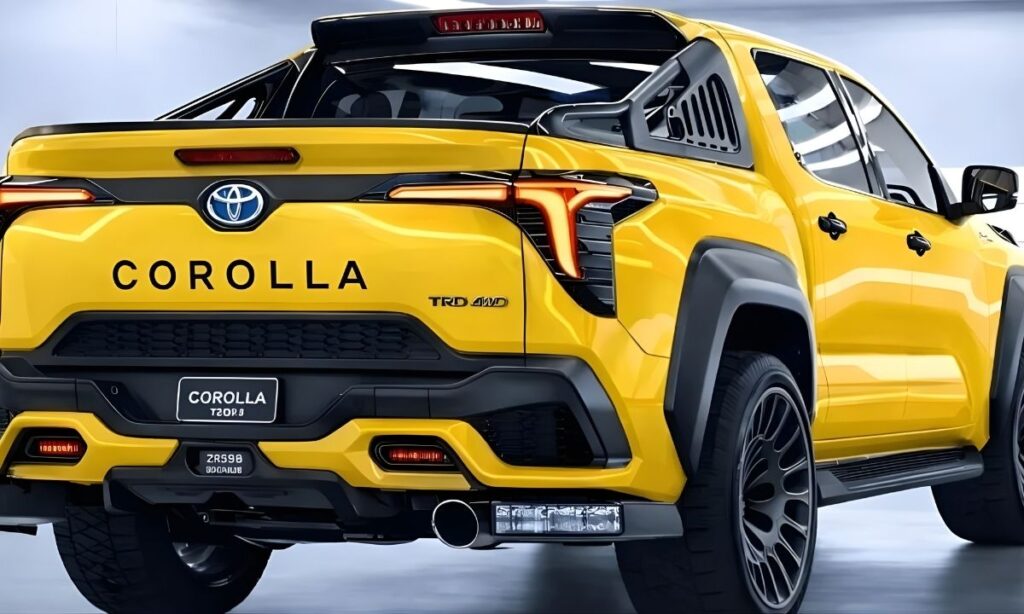
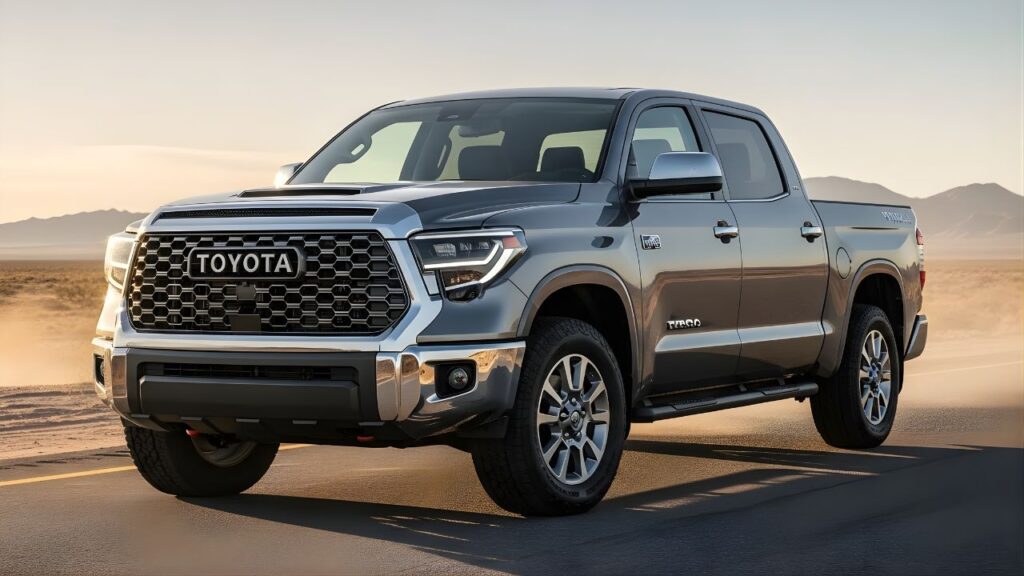
The truck still carries a bold, squared-off stance, wide grille, and muscular fenders that communicate strength without looking exaggerated. Subtle changes include revised grille patterns on select trims, updated wheel designs, and improved LED lighting signatures for better night visibility.
Toyota Tundra 2026: Powerful Full-Size Pickup Truck with Advanced Towing, Off-Road Capability & Premium Features
Toyota Tundra 2026 Reveal – Bold New Design and Powerful Performance
2026 Lexus LM 350h Concept Showcases Japan’s Most Premium Chauffeur-Focused MPV Design
Mazda CX-90 Review 2026: A Practical Three-Row SUV for Daily Life
Aerodynamics With a Purpose
Full-size trucks will never be slippery, but Toyota has quietly improved airflow management. Small changes to bumper shaping, underbody shielding, and side mirror contours help reduce wind noise and marginally improve highway fuel economy—details most buyers never notice but appreciate over long ownership.
Bed Utility and Practical Details
The composite bed remains a strong advantage. Unlike steel beds, it resists dents, rust, and corrosion. Toyota has also refined the bed rail system, making it easier to mount accessories without drilling—an underrated feature for work users.
Tailgate assist and power tailgate options are smoother in 2026, and the integrated step system feels sturdier compared to earlier versions.
Interior Comfort, Cabin Layout, and Daily Usability
This is where the 2026 Tundra makes some of its most meaningful gains.
Toyota listened to feedback about earlier interiors feeling durable but slightly dated. The new updates don’t chase luxury for luxury’s sake; instead, they focus on comfort during long hours behind the wheel.
Seating and Ergonomics
Seats are wider, better bolstered, and use revised foam density that reduces fatigue on long drives. Higher trims now offer improved ventilation performance, while cloth seats on lower trims are tougher and easier to clean.
Rear seat space remains generous, especially in CrewMax models. The rear bench angle has been subtly adjusted to improve thigh support—small detail, noticeable difference.
Storage That Makes Sense
Toyota excels at smart storage:
- Deep center console that fits laptops or camera gear
- Rear under-seat storage for tools and recovery equipment
- Door pockets that actually hold large bottles
These are practical touches that show Toyota designs for real use, not just showroom appeal.
Powertrain Options and Real-World Performance
Toyota continues its V6-only strategy, and by 2026, this decision feels far less controversial than it once did.
Twin-Turbo V6 Engine
The standard 3.4-liter twin-turbo V6 delivers strong mid-range torque, smooth acceleration, and better fuel efficiency than the old V8. It feels refined at highway speeds and confident when loaded.
What stands out is consistency. Power delivery remains predictable even under stress—something long-term truck owners value more than headline horsepower numbers.
i-Force Max Hybrid System
The hybrid Tundra is where Toyota’s engineering advantage becomes clear.
Instead of focusing purely on fuel savings, the hybrid system boosts low-end torque for towing and off-road driving. The electric motor fills gaps in turbo response, making the truck feel stronger at low speeds.
In real-world use, the hybrid setup shines when:
- Towing uphill
- Crawling off-road
- Driving in stop-and-go traffic
Fuel economy improves modestly, but drivability improves significantly.
Towing, Payload, and Work Capabilities
Toyota understands that full-size truck buyers don’t forgive exaggeration. The 2026 Tundra’s numbers are honest and usable.
Towing capacity remains competitive, and more importantly, stable. The truck feels planted at highway speeds, with less rear-end movement compared to earlier generations.
Smart Towing Technology
Toyota’s trailer assist systems are now more intuitive:
- Improved trailer sway control calibration
- Enhanced surround-view camera angles
- Better trailer brake integration
The blind-spot monitoring system can now account for trailer length more accurately, reducing false alerts.
Payload figures are not class-leading, but the suspension tuning prioritizes ride quality when unloaded—a trade-off many daily drivers appreciate.
Ride Quality, Handling, and Off-Road Capability
The TNGA-F platform continues to deliver a solid foundation.
On pavement, the 2026 Tundra feels composed, with less steering correction needed at highway speeds. Road noise is lower thanks to improved insulation and revised suspension bushings.
TRD Off-Road and TRD Pro Enhancements
Off-road trims benefit from refined shock tuning rather than major hardware changes. The truck feels more controlled over washboard roads and rocky trails.
Toyota’s off-road philosophy emphasizes mechanical reliability over extreme articulation, which suits buyers who explore remote areas and value getting back home without drama.
Technology, Infotainment, and Driver Assistance
Toyota’s infotainment system has matured significantly.
The large central touchscreen is faster, clearer, and easier to navigate. Physical controls for climate and volume remain—a choice many truck owners still prefer.
Wireless smartphone integration is stable, and voice commands are more accurate than earlier systems.
Safety Systems That Don’t Overwhelm
Toyota Safety Sense is standard, and for 2026, alerts are better tuned. Lane assist feels less intrusive, and adaptive cruise control reacts more smoothly in traffic.
This balance matters. Drivers want support, not constant correction.
Ownership Experience, Reliability, and Maintenance
This is where the Tundra quietly outperforms many rivals.
Toyota designs for long service life, even if that means conservative engineering choices. The 2026 model benefits from years of real-world data on the current generation, leading to improved component durability and software refinement.
Maintenance intervals remain reasonable, and Toyota’s dealer network is known for consistency—an underrated advantage for work trucks.
Resale value is expected to remain strong, especially for hybrid models, which are gaining acceptance among truck buyers faster than many predicted.
Pricing Strategy and Trim Breakdown
Toyota avoids aggressive discounting but offers a wide trim range:
- Work-focused SR and SR5
- Balanced Limited trim
- Premium Platinum and Capstone
- Adventure-oriented TRD models
The 2026 lineup feels more clearly differentiated, making it easier for buyers to choose based on actual needs rather than overlapping features.
Who Should Buy the 2026 Toyota Tundra?
The 2026 Tundra is not for buyers chasing the biggest touchscreen or the highest tow rating on paper. It is for those who value:
- Long-term reliability
- Predictable performance
- Strong resale value
- Real-world usability
It suits contractors, outdoor enthusiasts, and families who want one truck that does everything well without demanding constant attention.
Final Verdict: A Truck Built for the Long Run
The 2026 Toyota Tundra is not about chasing trends. It is about refining a formula that prioritizes trust, durability, and real-world performance. Toyota has quietly addressed earlier criticisms while staying true to its core values.
For buyers who plan to keep their truck for years—not lease cycles—the Tundra remains one of the most sensible, confidence-inspiring choices in the full-size pickup market.