Hyundai i20 2026 : Hyundai i20 has always played a quiet but important role in the premium hatchback space. It never tried to shout louder than everyone else. Instead, it focused on balance—design that ages well, features that matter in daily life, and mechanicals that don’t punish you after the novelty fades.
With the New Hyundai i20 2026, Hyundai appears to be doubling down on that philosophy—while subtly correcting what owners and reviewers have been pointing out for years. This is not a radical reinvention. It’s a carefully judged evolution, shaped by real-world usage data, tightening safety norms, rising fuel costs, and a buyer who now expects “near-SUV” features in a hatchback body.
This deep-dive isn’t about spec-sheet hype. It’s about what actually changes, why it matters, and how the 2026 i20 fits into today’s market reality.
 Toyota Tundra 2026: Powerful Full-Size Pickup Truck with Advanced Towing, Off-Road Capability & Premium Features
 Toyota Tundra 2026 Reveal – Bold New Design and Powerful Performance
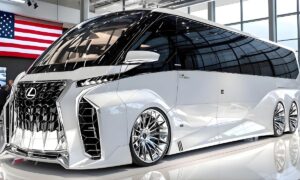 2026 Lexus LM 350h Concept Showcases Japan’s Most Premium Chauffeur-Focused MPV Design
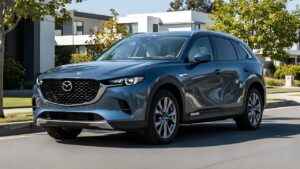 Mazda CX-90 Review 2026: A Practical Three-Row SUV for Daily Life
Design Philosophy & Exterior Updates: Mature, Not Loud
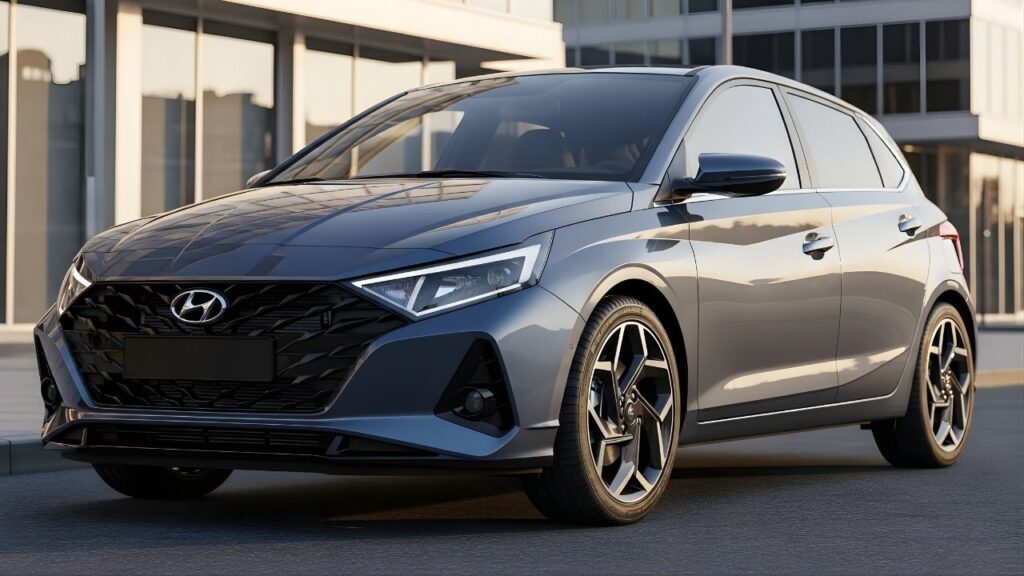
The 2026 i20 moves away from the sharp, polarizing lines of earlier versions. The front fascia is flatter and more cohesive, with a wider grille that visually lowers the car. Hyundai’s designers seem to be targeting longevity rather than shock value—something resale-focused buyers quietly appreciate.
The LED headlamps are slimmer, with improved beam spread rather than just a new signature. This isn’t cosmetic; it improves night visibility on poorly lit highways, a frequent complaint with earlier models.
Side Profile & Proportions
From the side, the i20’s proportions remain familiar, but subtle surfacing changes reduce visual clutter. The shoulder line is less aggressive, making the car look wider and more planted. New alloy wheel designs—likely 16-inch on higher trims—prioritize aerodynamics as much as appearance.
Rear Styling & Practical Tweaks
At the rear, the connected LED tail-lamp design is retained but refined. The bumper is reshaped to reduce visual bulk and improve parking sensor placement accuracy—small details that signal attention to real-world use.
Interior & Cabin Experience: Designed for Long-Term Comfort
Step inside the 2026 i20 and the biggest change isn’t flashy—it’s ergonomic clarity. Hyundai has simplified the dashboard layout, reducing unnecessary angles and gloss-black surfaces that tend to scratch over time.
Toyota Tundra 2026: Powerful Full-Size Pickup Truck with Advanced Towing, Off-Road Capability & Premium Features
Toyota Tundra 2026 Reveal – Bold New Design and Powerful Performance
2026 Lexus LM 350h Concept Showcases Japan’s Most Premium Chauffeur-Focused MPV Design
Mazda CX-90 Review 2026: A Practical Three-Row SUV for Daily Life
Soft-touch materials now extend beyond just the upper dashboard. Door pads and armrests receive improved padding, making long commutes noticeably more comfortable.
Seating Comfort & Space Utilization
The seats themselves are redesigned with better lumbar support. This directly addresses feedback from owners who spend hours in city traffic. Rear seat comfort improves slightly thanks to better under-thigh support, even though the wheelbase remains unchanged.
Headroom and legroom continue to be among the best in the segment, making the i20 a genuine option for small families—not just young buyers.
Storage & Everyday Practicality
Hyundai has quietly improved cabin storage:
- Deeper door pockets that actually hold 1-liter bottles
- A redesigned center console with more usable space
- Better-positioned wireless charging pad to prevent overheating
These are not brochure features—but they matter daily.
Powertrain & Performance: Refinement Over Raw Numbers
The 2026 Hyundai i20 is expected to continue with refined petrol options, likely including:
- A naturally aspirated petrol for efficiency-focused buyers
- A turbo-petrol for those who value responsiveness
What’s new is calibration, not displacement. Throttle response has been smoothed at low speeds, reducing jerkiness in traffic—an issue many turbo-petrol hatchbacks struggle with.
Transmission Choices & Behavior
Manual transmissions get revised gear ratios for better city drivability. The automatic option—likely a dual-clutch—has been recalibrated to reduce hesitation at crawling speeds.
This suggests Hyundai is prioritizing usability over 0–100 figures, a smart move in a market where most driving happens below 60 km/h.
Ride, Handling & Steering Feel
Suspension tuning has been subtly softened without losing stability. The i20 continues to offer one of the most composed rides in its class, especially over broken urban roads.
Steering feedback remains light but predictable—ideal for daily driving rather than aggressive corner carving.
Technology & Connectivity: Less Flash, More Function
The dual-screen layout remains, but software responsiveness improves significantly. Touch inputs register faster, and the interface is less cluttered. Wireless Android Auto and Apple CarPlay are expected to work more consistently, addressing connection drop complaints.
Driver Assistance & Smart Features
Hyundai is slowly introducing more Level 1 ADAS-style features, likely including:
- Lane departure warning
- Forward collision alerts
- Driver attention monitoring
These systems are tuned conservatively—warning rather than intervening aggressively—which suits Indian road conditions better.
Digital Instrument Cluster Enhancements
The digital cluster offers more meaningful data displays rather than gimmicky animations. Real-time fuel efficiency, trip insights, and maintenance alerts are easier to read at a glance.
Safety Architecture: Quietly Becoming a Benchmark
While Hyundai doesn’t always shout about it, the 2026 i20 benefits from increased use of high-strength steel. This improves crash energy absorption without adding unnecessary weight.
Active & Passive Safety
Expected standard safety features across most variants include:
- Six airbags
- Electronic stability control
- Hill-start assist
- Rear parking sensors
Higher trims may add blind-spot monitoring and rear cross-traffic alerts—features rarely seen in this segment just a few years ago.
Why This Matters
As safety awareness grows, the i20 positions itself as a responsible premium hatchback, not just a feature-loaded one.
Ownership Experience & Cost of Living with the i20
Real-world efficiency is where the i20 shines. Hyundai’s engine tuning favors consistent mileage rather than test-cycle numbers. Expect fuel efficiency that stays predictable even with mixed driving conditions.
Maintenance & Service Network
Hyundai’s service footprint remains one of its biggest strengths. Parts availability, predictable service costs, and transparent intervals reduce long-term ownership stress.
Resale Value & Brand Trust
The i20 has historically held value better than many rivals. The 2026 updates, focused on durability and usability, only strengthen this position.
Market Positioning: Who Should Buy the 2026 Hyundai i20?
The 2026 Hyundai i20 is not trying to be everything to everyone. It’s for buyers who:
- Want premium features without SUV bulk
- Value comfort, safety, and refinement
- Plan to keep the car for several years
It’s less about excitement in the first week—and more about satisfaction in the fifth year.
Final Perspective: A Thoughtful Evolution That Makes Sense
The New Hyundai i20 2026 doesn’t chase trends—it responds to them intelligently. It acknowledges that buyers are more informed, more practical, and less impressed by gimmicks than before.
By refining what already worked and fixing what didn’t, Hyundai has crafted a premium hatchback that feels considered, mature, and future-ready. In a segment crowded with loud promises, the i20’s quiet competence might just be its biggest strength.
If you’re looking for a car that still feels right years after the showroom excitement fades, the 2026 i20 deserves serious attention.