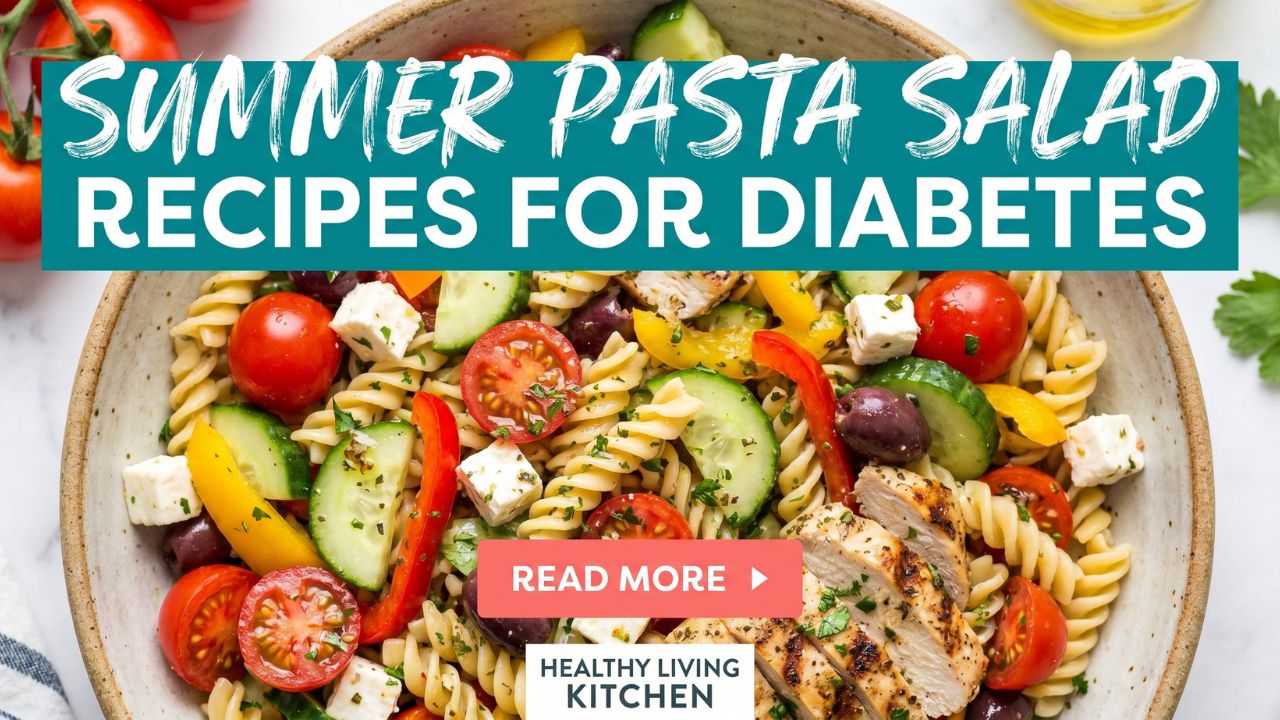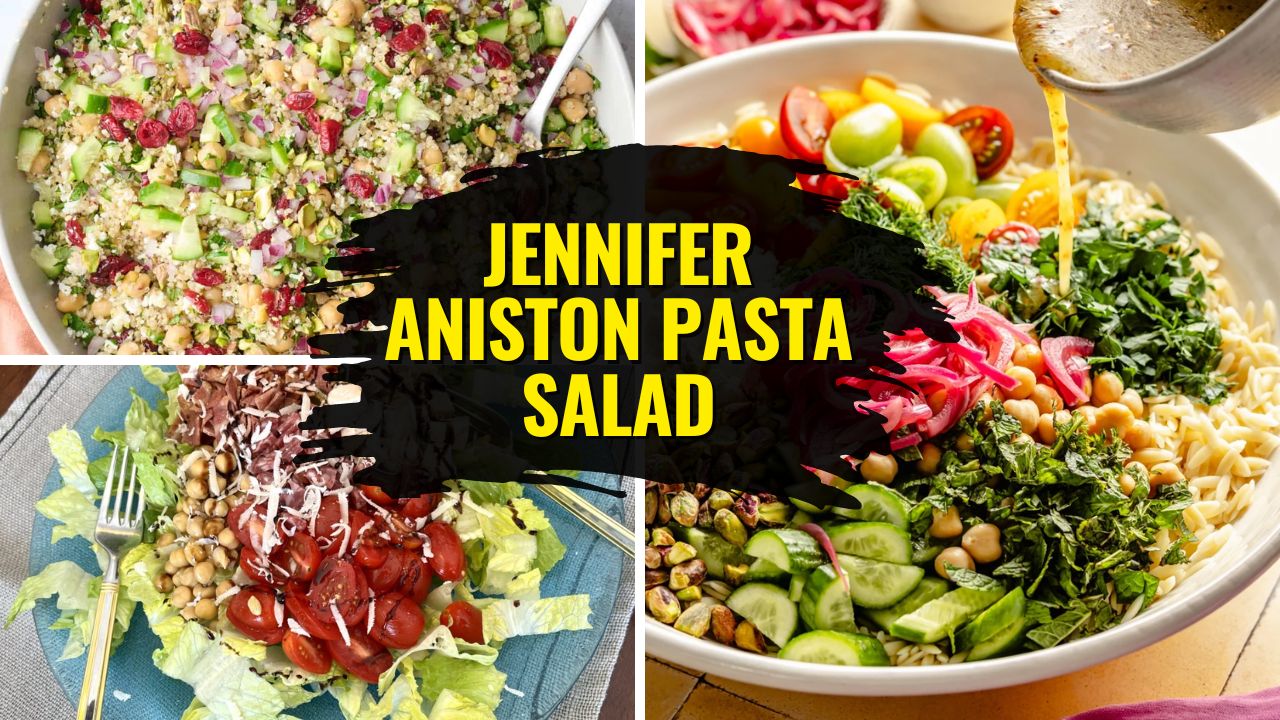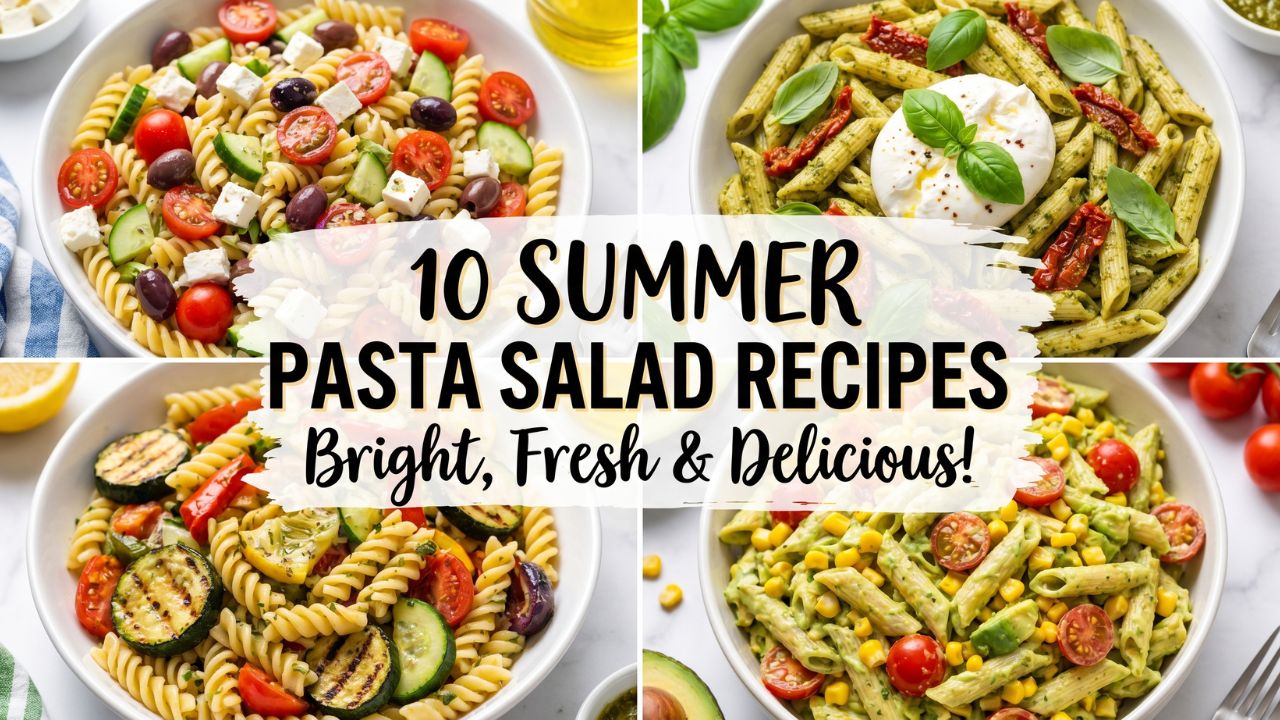
Summer Pasta Salad Recipes – I have made summer pasta salad at least two hundred times. And for the first fifty of those, I was quietly ruining it without knowing it.
The pasta was always a little mushy. The dressing never stuck properly. The salad tasted flat, even when I used good ingredients. It was frustrating because everyone else at the cookout seemed to be eating it fine, but I knew something was off.
Then a chef friend watched me drain my rotini and said, very calmly, “You’re dressing it too soon.” That one sentence changed every summer pasta salad I’ve made since.


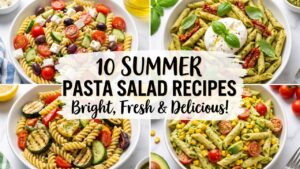
If you want to master Summer Pasta Salad Recipes, this is the foundational technique article you read first. Everything else builds on what you learn here.
| Quick Facts | Details |
|---|---|
| Prep Time | 15 minutes |
| Cook Time | 10 minutes |
| Chill Time | 30 minutes minimum |
| Servings | 6–8 |
| Difficulty | Easy |
| Calories | ~320 per serving |
The One Mistake That Makes or Breaks Your Pasta Salad
Here is what happens when you dress warm pasta: the noodles are still releasing steam, their surface is soft, and they absorb liquid like a sponge. That sounds good in theory. In practice, it means the pasta soaks up your dressing before it can coat the vegetables, the cheese, or anything else. You lose flavor depth. You lose texture. And two hours later, the whole bowl is dry and sticky.
The fix is almost embarrassingly simple. Cook your pasta, drain it, then rinse it under cold running water for a full sixty seconds. Not a quick splash. A full, thorough rinse that drops the temperature completely.
Then spread the pasta on a baking sheet and let it air dry for five to ten minutes. This step is the one most people skip, and it is the most important. Wet pasta dilutes your dressing. Dry pasta holds it.
Why Cold Rinsing Is Controversial (And Why I Still Do It)
Some culinary purists say you should never rinse pasta because you wash away the starch that helps sauce cling. That is true for hot pasta dishes. For cold pasta salad, the rules are different.
You want the pasta firm and separate, not sticky. The cold rinse stops the cooking process, prevents clumping, and gives you that clean, slightly chewy texture that makes a great summer pasta salad something you keep going back to for seconds.
The Right Pasta Shape for Cold Salads
Not all pasta shapes perform equally when cold.
- Rotini holds dressing in its spirals and stays chewy longer than most shapes
- Farfalle (bowties) has texture and looks beautiful but can get soft faster
- Penne is sturdy and works well with chunky mix-ins
- Ditalini is great for creamy versions and smaller bites
Avoid long pasta like spaghetti or linguine. They tangle, they are hard to serve, and they do not hold dressing the way short shapes do.
Ingredients You Will Need Summer Pasta Salad Recipes
| Ingredient | Quantity | Notes / Substitutes |
|---|---|---|
| Rotini pasta | 12 oz | Penne or farfalle work equally well |
| Cherry tomatoes | 1 cup, halved | Grape tomatoes or diced Roma |
| English cucumber | 1 medium, diced | Persian cucumber works great |
| Red onion | ½ small, finely diced | Soak in cold water 10 min to mellow sharpness |
| Black olives | ½ cup, sliced | Kalamata olives add deeper flavor |
| Bell pepper | 1 medium, diced | Any color; red is sweetest |
| Fresh mozzarella | 4 oz, cubed | Feta crumbles for a tangier result |
| Italian dressing | ¾ cup | Homemade or store-bought |
| Fresh basil | ¼ cup, torn | Dried basil as backup: use 1 tsp |
| Salt and pepper | To taste | Essential — always season after chilling |
Step-by-Step Instructions Summer Pasta Salad Recipes
1. Cook the pasta properly. Bring a large pot of heavily salted water to a rolling boil. Add your pasta and cook it one to two minutes less than the package directions — you want it al dente, not soft. It will soften slightly more as it chills.
2. Drain and rinse. Drain immediately and rinse under cold water for sixty seconds, tossing the pasta with your hands to make sure every piece cools evenly.
3. Dry the pasta. Spread it on a clean baking sheet or a large plate lined with a kitchen towel. Let it sit for five to ten minutes. Do not skip this. Seriously.
4. Prep your vegetables. While the pasta dries, dice your cucumber, halve your tomatoes, and slice your olives. If you are using red onion, now is the time to soak the diced pieces in cold water. Drain them before adding to the salad. This removes the harsh bite while keeping the flavor.
5. Combine. Add the dried pasta and all vegetables to a large bowl. Pour in about two-thirds of your dressing and toss well.
6. Chill before the final dress. Cover the bowl and refrigerate for at least thirty minutes. The pasta will absorb some of the dressing as it sits. Before serving, add the remaining dressing, toss again, taste, and adjust seasoning. This two-stage dressing method is the professional approach and the reason restaurant pasta salads taste more complex.
7. Add fresh elements last. Tear in fresh basil and add cheese just before serving. Delicate ingredients suffer from sitting in acid too long.
Pro Tips and Common Mistakes to Avoid
Salt the pasta water generously. It should taste like the sea. This is your only real chance to season the pasta itself, and under-seasoned pasta will make your whole salad taste flat no matter how good your dressing is.
Do not overdress it. More dressing does not mean more flavor. It means soggy pasta. Use less than you think you need, then add more after chilling.
Always taste after chilling. Cold dulls salt perception. What tastes perfectly seasoned at room temperature will need more salt once cold. This is the single most common reason pasta salads taste bland.
Let the salad sit. A pasta salad made thirty minutes before serving is good. One made two hours before serving is noticeably better. The flavors meld as they chill.
Have you ever had a pasta salad that tasted great fresh but was dry and bland the next day? The two-stage dressing method solves that. Drop a comment below if you have tried this approach — I would love to know if it made a difference for you.
Variations and Substitutions
Gluten-free version: Use chickpea pasta or brown rice rotini. Both hold up surprisingly well in cold applications.
Dairy-free version: Skip the cheese entirely and add more olives and roasted red peppers for savory depth.
Add protein: Grilled chicken, canned tuna, or salami slices turn this into a complete meal rather than a side dish.
Spice it up: A pinch of red pepper flakes in the dressing adds warmth without overpowering the fresh summer flavors.
How to Store, Reheat, and Serve
Store in an airtight container in the refrigerator for up to four days. The pasta will continue to absorb dressing, so keep a small amount of extra dressing on hand to refresh it before serving.
This salad is meant to be served cold — never reheat it. If it has been sitting out at a party for more than two hours, discard what remains for food safety reasons. The USDA guidelines on food safety at gatherings recommend the two-hour rule for cold dishes.
Serve it in a chilled bowl if possible. A bowl that has been in the refrigerator for twenty minutes keeps the salad cold longer at outdoor events.
Summer Pasta Salad Recipes FAQ
Q : What are the five mistakes to avoid with pasta salad?
Ans – The five biggest mistakes are: dressing warm pasta, skipping the rinse and dry step, overdressing before chilling, using the wrong pasta shape, and forgetting to re-season after the salad has chilled. Each of these is fixable once you know about it.
Q : What is the secret to a good pasta salad?
Ans – The real secret is the two-stage dressing method. Dress the pasta once before chilling, then again right before serving. This ensures the pasta is flavorful throughout while the surface stays properly coated. The second secret is salting the pasta water aggressively.
Q : Can I make pasta salad the night before?
Ans – Yes, and it often tastes better the next day. Store it with only two-thirds of the dressing mixed in. Add the remaining dressing, fresh herbs, and cheese just before serving.
Q : What is the one pasta mistake most people make?
Ans – Dressing warm pasta. It seems logical — the warm pasta will absorb flavor faster — but it actually absorbs the dressing unevenly, leaving the salad dry on the surface and mushy inside. Always cool and dry the pasta first.
Q : How do I keep pasta salad from getting dry?
Ans – Hold back about a quarter of your dressing and add it just before serving. Also, make sure the pasta is fully coated right after mixing. Exposed pasta on top will dry out first.
Q : Can I use any type of pasta?
Ans – Short pasta shapes work best. Rotini, penne, farfalle, and fusilli all hold dressing and mix-ins well. Avoid long pas